


Health and Wellbeing
Dr Nerina on L-Theanine and Other Natural Sleep Aids

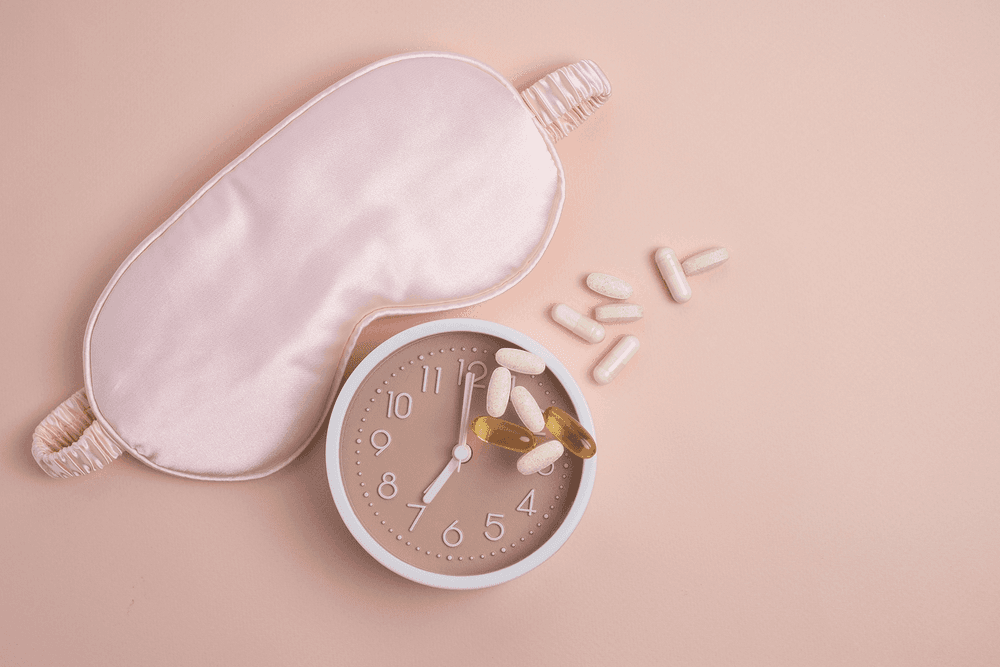
Have you been thinking about taking ‘natural’ supplements to help you fall asleep? The supplement market has exploded, especially with L-theanine for sleep, and I want to share what current research suggests, as it can be confusing.
Even if the label says ‘natural’, it doesn’t mean that it’s risk-free, especially if you are taking other medications. I haven’t come across a supplement that completely replaces good sleep habits and a supportive sleep environment. However, some supplements can work well alongside your existing sleep routine.
So, let’s have a closer look at how L-theanine (and other natural sleep aids) might be good for sleep.
Key takeaways:
- L-theanine has reasonable evidence for calm and improved sleep quality, without morning grogginess.
- ‘Natural’ doesn't mean risk-free, especially alongside other medication.
- Supplements work best alongside – not instead of – good sleep habits and a supportive sleep environment.

What is L-theanine? And L-theanine benefits for sleep
L-theanine is a popular dietary supplement believed to help alleviate stress and anxiety, improve focus and sleep. It’s a non-protein amino acid found
naturally in green tea. It doesn’t induce sleep directly but is thought to calm the mind down, making it easier to fall asleep and stay asleep.
The research suggests taking 200-450 mg per day might be a safe and effective way to support healthy sleep in adults. One study in middle-aged and older adults suggested that even a lower daily dose than the usual 200–400mg could still support sleep. I always recommend to my clients to start with a smaller dosage and work their way up.
Can I take magnesium glycinate and L-theanine together?
For most people, it is safe to pair magnesium glycinate with L-theanine. This combination has been shown to promote relaxation, making you fall asleep more quickly.
Magnesium L-threonate can also be paired with L-theanine. Emerging research suggests that this combination crosses the blood-brain barrier, making it highly effective for calming brain activity and easing anxiety.
What about other popular sleep supplements?
Take a look at the table below, which outlines some popular sleep supplements, how they work and who they might be suitable for.
| Supplement | What is it? | How does it work? | Who is it good for? |
| Magnesium | A mineral that supports many physiological functions such as bone health, nerve and muscle health and energy and metabolism. | It works alongside chemicals in the body and brain to support healthy nerve and muscle functioning, promoting calmness. | May be helpful for older adults as absorption efficiency from food can decrease with age. |
| Valerian root | An herbal supplement derived from the plant Valeriana Officianalis. | Like magnesium, it works with the calming pathways in brain. | May be effective for older adults struggling with age-related sleep changes. |
| Melatonin | A prescription-only medicine in the UK typically prescribed for adults aged 55 and over with primary insomnia. | It acts on melatonin sites in the brain and body to help switch on the sleep cycle. | A low dosage (0.3-2 mg) may be prescribed to treat insomnia in older adults. |
What conditions can sleep supplements help with?
These supplements may help if you are suffering from insomnia and are having difficulty getting to sleep, staying asleep, or you’re waking exhausted after interrupted sleep. Unlike prescription sleeping tablets, they generally aren’t addictive and are a gentler way to encourage rest.
I’ve explained more about the benefits of holistic strategies and natural aids in my blog post here.
Can sleep supplements interfere with medications?
In certain circumstances, natural supplements can interact with prescription medication, causing unwanted effects such as drowsiness and dizziness.
Remember to mention all the supplements you are taking during a medication review with your doctor or pharmacist.
Know when to stop
Magnesium can interact with diuretics, certain antibiotics, gabapentin and medications for osteoporosis, all common in later life.
People with chronic kidney disease should avoid these supplements without medical supervision.
Combining melatonin and valerian root may increase side effects such as dizziness, drowsiness, and confusion. Older adults may also experience impaired thinking, judgment and motor coordination, increasing the risk of falls.
Other ways to get a good night’s sleep
I hope this article has reassured you that there are many ways to improve your sleep quality and experience restorative rest. For even more sleep tips and advice, look at my previous articles here.
Our relationship with sleep is unique, and the more able we are to cater to our individual needs for comfort, the better chance we stand of being able to rest and sleep well.
That’s why I endorse Oak Tree Mobility’s made-to-fit adjustable beds, a key factor in being able to rest and sleep well. Each bed supports the joints in the back, hips and knees to ease tension and aches and pains, helping you feel more refreshed in the morning, setting you up comfortably for the day ahead.

FAQs: Sleep supplements for the elderly
What is the safest sleep aid for the elderly?
Everyone has varying tolerances for medications and even natural supplements. My advice is to discuss your options with your doctor before trying a natural supplement and observe the impact on your sleep.
Can I take L-theanine with my blood pressure or heart medication?
Yes, but with caution. L-theanine can cause a lowering of blood pressure, which might make you feel dizzy. Always speak to your doctor first before starting a new supplement.
What's the difference between L-theanine and melatonin?
While both are marketed as sleep aids, L-theanine and melatonin work quite differently. L- theanine is thought to work by calming the mind, while melatonin can help to regulate your internal sleep clock.
Do I need a prescription for melatonin in the UK?
Yes. Melatonin is prescription-only in the UK. This means you can’t buy it over the counter in shops or pharmacies.
What other treatments are there for insomnia in older adults?
There are many holistic treatments and approaches to managing insomnia, including cognitive behavioural therapy (CBT), lifestyle habits, bedtime routines and using an adjustable bed.
Is there a sleep supplement that actually works?
Both L-theanine and forms of magnesium may help promote relaxation and sleep, but the evidence is still new and evolving.
What is the healthiest thing to take for sleep?
A low dose of melatonin or natural supplements such as magnesium or L-theanine. Please speak to your doctor first before taking any new supplement.
What vitamin is my body lacking if I have insomnia?
Insomnia should be looked at holistically, taking into consideration stress levels and lifestyle. However, low magnesium, vitamin D levels and other minerals and vitamins such as folate, vitamin B9 and iron can cause fatigue and insomnia.
Which vitamin is not good for sleep?
There isn’t one particular vitamin that hurts sleep. Some B vitamins may be stimulating for some but not for others.
What vitamin makes you sleep better?
Vitamins such as B12 and D have been shown to have a positive effect on sleep, but you need to take a blood test first to ascertain whether you have a deficiency.