


Health and Wellbeing
What Causes Insomnia in the Elderly?

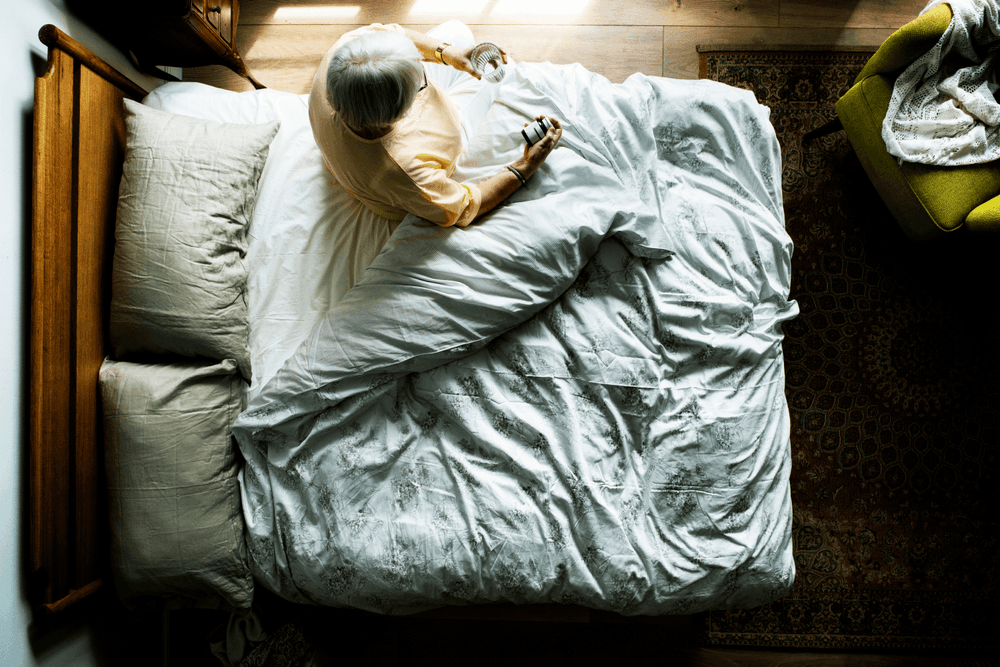
Have you ever wondered about the common causes of insomnia in the elderly, and what – if anything – can help?
Many of my older clients believe that it’s inevitable that their sleep will deteriorate with age. But while this is common, you don’t have to put up with it quietly. Instead, why not question that assumption and look at what may be affecting your sleep?
I look forward to debunking myths and misconceptions about what to expect with sleep as you get older and sharing my tips for better rest.
Key takeaways:
- Insomnia is common but not inevitable with age.
- Even small changes, such as lifestyle habits or your evening routine, can improve your sleep.
- Challenging sleep myths can help encourage better rest.

What are the common causes of insomnia in the elderly?
Lifestyle plays a big part in your sleep quality, but there are also physiological and medical reasons why insomnia can become more common with age:
Age-related changes to sleep drive and circadian rhythms
Your inner circadian clock sets all the body’s biological rhythms to roughly 24 hours. With age, the timing mechanism can become less accurate, and the distinction between feeling sleepy at night and alert during the day is less pronounced.
Chronic pain and other physical health conditions
Chronic pain can stop you from falling asleep and cause more frequent awakenings, leading to interrupted sleep. Persistent pain and illness activate the sympathetic nervous system – the part that reacts to and responds to stress. I’ve had clients become almost fearful of going to bed because they dread the wakefulness and discomfort.
Depression and anxiety
The reality is that as we age, we’re more likely to experience losses, traumas, isolation and loneliness as well as major life events. This can cause mental health problems such as clinical depression and anxiety, which, if not addressed, can lead to sleep problems.
In a similar way to the situation with pain, a frustrating cycle can then ensue in which compromised mental health affects sleep and vice versa.
Certain medications
Certain medications and over-the-counter medications can affect your sleep quality and worsen existing symptoms of insomnia.
For example, blood pressure medication – which is commonly used by seniors – can include beta blockers that lower melatonin levels and disrupt your sleep cycles.
Other sleep disorders
A common disorder in older adults, restless legs syndrome causes an urge to move your legs, and this condition can flare up at night.
Sleep apnoea can also worsen with age. This disorder is when breathing repeatedly stops and starts during sleep, leading to interrupted periods of rest.
Is it normal for seniors to have insomnia?
Insomnia is particularly common in adults over 60, but that doesn’t mean it has to be part of your new normal.
I encourage everyone to read my five non-negotiables to help improve your sleep and get the rest you deserve.
How to start relieving insomnia in seniors?
It’s possible to break the cycle – and sometimes just by making small changes. To discover more, check out my article about how to beat insomnia naturally.
I’d also love to share how I supported one of my clients, Anna, in managing her insomnia:
Initially, I persuaded her to start eating a nutritious breakfast first thing in the morning. At first, she was resistant, but after a week of doing this, she woke up looking forward to breakfast.
Anna also stopped drinking caffeinated tea and started drinking herbal teas, went back to gardening and taking regular morning walks, and importantly, started thinking more mindfully about her bedtime routine.
She had gotten into the habit of using her iPad in bed late at night. She even went back to her old habit of reading light, uplifting novels, which helped her fall asleep feeling safer in herself.
I taught her a simple breathing exercise to calm her when she woke during the night. She also stopped looking at the time, no longer worried about whether she was going to sleep, and focused on resting.
Even I was amazed at how quickly Anna’s sleep had improved. It took just a few weeks for her sleep to improve and for her to start feeling more energised.
The list might seem long and even overwhelming, but Anna found that once she’d started making a few key changes, everything else fell into place.

Myths about insomnia, busted
Here are some of the most unhelpful myths that stop people from sleeping:
- I need to get 8 hours of sleep to function the next day.
- Waking up during the night is normal.
- If I stay in bed longer, I will eventually get the sleep I need.
- I’m getting older, and sleep gets worse as you get older.
- I’m tired all the time because I’m getting older.
- I’m not napping; I’m simply resting my eyes.
I've heard the last two from so many of my older clients, and they can have such a negative impact on your nighttime sleep. Napping for too long in the evening (especially in front of the TV) reduces your sleep drive, so it’s harder to sleep at night.
That’s not to say napping doesn’t have benefits. Click here to discover more.
So, you might actually think you are watching TV, but you are more asleep than awake – and you’re depleting your brain of the vital sleep hormone melatonin, which is why you then struggle to sleep when you get into bed.
Challenging the way you think, can change your relationship with your sleep, so please be honest with yourself when considering these myths.
Other ways to get a good night's sleep
The key is never settling for poor sleep or thinking of it as an inevitability as you get older – there are many ways to help you rest more deeply. And of course, where you sleep matters just as much as your lifestyle and habits.
That’s why I endorse Oak Tree Mobility’s adjustable beds. Designed to give you unlimited sleeping positions, they provide optimal comfort for a restful night’s sleep. Plus, every design is completely customisable to suit your specific needs, size, and style.
FAQs: What causes insomnia in the elderly?
Is it normal for seniors to have insomnia?
Sleep can worsen as you age, but don’t accept it as an inevitability. Life events, stress, poor lifestyle choices and even what you believe about your own sleep can impact your sleep as you get older.
How to cure insomnia in the elderly?
Insomnia is treatable and can be cured. If you do feel you’re doing all the right things but still not sleeping well, I recommend visiting your GP to rule out any underlying medical conditions.
What medication can an elderly person take to sleep at night?
Natural supplements can help with insomnia, but your GP can advise whether a supplement might be helpful or whether you might need prescription medication.
What serious illness could insomnia be a symptom of?
Insomnia can be caused by mental health conditions such as depression and anxiety, as well as chronic pain, sleep apnoea, thyroid conditions, heart failure and dementia.
Sources and further reading
1. A sleep expert's 5 non-negotiables for better sleep
2. 6 ways to get disruption-free sleep
3. How to beat insomnia naturally