


Health and Wellbeing
Napping in the elderly: Beneficial or bad for you?

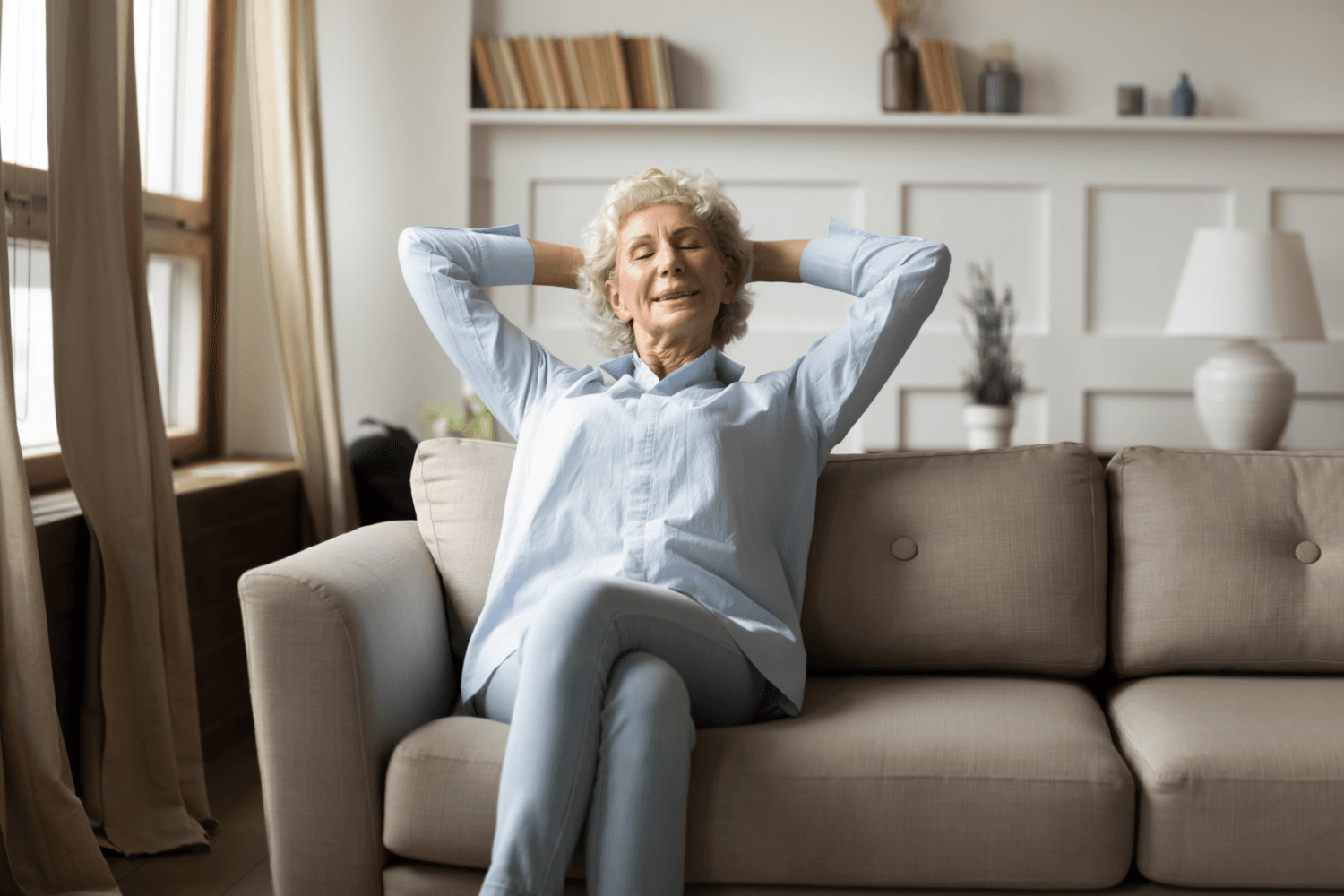
Do you like napping? Napping is common as you get older, especially if you sleep well at night. But are naps good or bad? Personally, I love having an occasional afternoon nap. Research suggests that when done correctly, it can support your physical, mental, and emotional well-being.
In this month’s blog, I’m exploring the benefits and concerns around napping. So, if you’re curious about the benefits of napping in the day or even the cautions around excessive napping in the elderly, read on.
Key takeaways:
- As we age, naps can benefit our physical and mental health.
- Afternoon is an optimal time for napping – naps later in the day can affect the quality of your sleep at night.
- Napping shouldn’t be used as a substitute for good nighttime rest.
Are naps good or bad for the elderly?
There are different types of naps, and the one that most of us can benefit from is the power nap.
As we age, we naturally nap more due to changes in sleep architecture, e.g. lighter sleep and earlier wake times.
However, it’s important to maintain napping as a healthy habit rather than using it to catch up on sleep during the day.
If you do struggle with lack of sleep, my recent blog post may help you understand why it might be happening and what you can do to help.
What are the benefits of napping?
- Improved cognitive function, such as the ability to process and consolidate information,
- Faster recall, reaction times, and alertness. This can help reduce the risk of falls.
- Improved mood and emotional health
- Reduced fatigue and increased energy
- Faster recovery from illness or exertion

How long should a nap be?
This is the most common question that I’m asked about napping, and there are three main types of naps:
The power nap
A power nap lasts between 10-20 minutes and no longer – and this is key. It’s not that long naps are bad for you always, but a power nap is the ideal length to maintain focus and concentration.
During a power nap, you experience a deep state of relaxation that’s like meditation. You can nap sitting or lying down, but it’s important not to get into bed. Otherwise, you might end up dropping into the deeper stages of sleep.
The recovery nap
The recovery nap should be around 30-45 minutes, but no longer. You should take this if you have missed sleep or are feeling fatigued, ill, or run-down.
Set an alarm to avoid going over 45 minutes. If you do, you’ll come out of the nap feeling groggy and tired with ‘sleep inertia’ – this can also affect falling asleep at night.
The long or prophylactic nap
Longer naps lasting 60-90 minutes are recommended for those staying awake for longer periods, such as night-shift workers.
Excessive napping
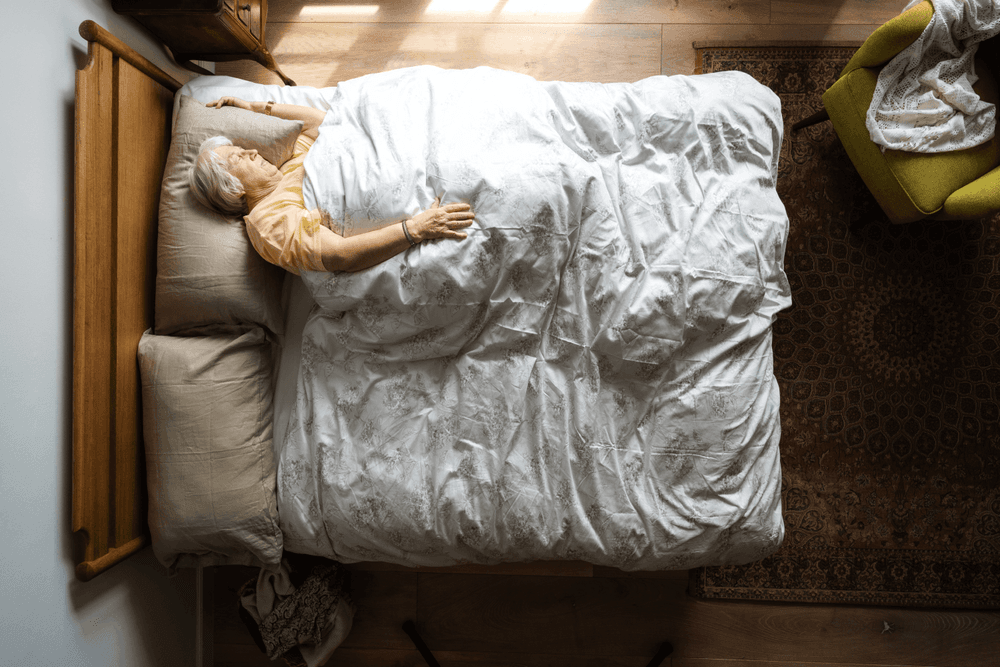
Excessive napping is defined as taking long or involuntary naps of 30 minutes or more. If you’re falling asleep a lot during the day and it’s affecting your day-to-day life, please speak to your GP.
When should elderly people take a nap?
Afternoon naps for elderly people are ideal – I recommend napping between 2-4pm. Napping any later in the afternoon can impact your sleep at night. However, long or prophylactic naps can be done at any time they are needed
When are naps bad for you?
When done correctly, naps can be good for your health.
If you’re wondering, ‘Are naps bad for insomnia?’ You're right – they may not be the best option for you. Daytime napping can worsen the problem and be a sign of an underlying health condition, cardiovascular illness and even early cognitive decline.
Staying active, having a sense of purpose, and hobbies that keep you mentally and physically engaged can help you avoid the risk of over-napping.
How to nap well – practical tips for older people
Here are my top tips to help you get the maximum benefit from napping:
- Go for 10–20-minute power naps most of the time. Only use recovery naps if you really do need to.
- Aim to nap between 2-4pm.
- Set a timer so that you don’t oversleep.
- Avoid dimming the light or using eye masks, as both are likely to make you oversleep.
- If you suffer from insomnia, speak to your GP first before napping.
- Make sure you nap on a supportive surface.
- Switch the TV off and play a guided meditation or relaxing music.
Conclusion & final thoughts
As we age, napping can bring many physical and mental benefits – as long as it’s done properly.
All you need is a comfortable space in which you can close your eyes and power down for 10-20 minutes. The more you practice napping in this way, the easier it will become – really, anyone can do it.
For extra support while you rest, look to Oak Tree Mobility's made-to-fit adjustable beds. Adjusting the bed’s position to your unique requirements helps you find your best level of comfort, from napping to deep sleep.
Frequently asked questions: Napping in the elderly
Should I take naps?
Absolutely, you should take naps, but please see my recommendations about duration and timing. This is key as you won’t experience the many benefits napping can bring you.
Are naps bad for you?
Naps are bad if done in the wrong way. If you nap too late in the day, this is likely to reduce your sleep drive, making it harder to fall asleep and stay asleep at night. Read more about the importance of sleep in the elderly here.
How long should I take naps?
I recommend starting with a short power nap of 10-20 minutes. If you are feeling very fatigued and unwell, a recovery nap of up to 45 minutes might help boost your immune system.
Should I take naps during the day?
Yes, you can take naps during the day. They can help you restore your mental and physical energy if you’re feeling fatigued.
When should I take naps?
For most people, napping should take place between 2-4pm. Night-shift workers can nap at a time that is most convenient for them.
How many naps should I take a day?
Napping once a day is optimal, unless you work night shifts. Please speak to your GP if you are taking multiple, involuntary naps a day.
Are afternoon naps good or bad for the elderly?
Afternoon naps are good if done between 2-4pm, but no later. 10-20 min power naps are great, and you can nap for longer – up to 45mins – if feeling fatigued or unwell.
Further reading & sources
- Tired but Wired. Dr Nerina Ramlakhan (Profile Books, 2010)
- Fast Asleep Wide Awake. Dr Nerina Ramlakhan (Harper Collins, 2016)
- https://www.nhs.uk/conditions/excessive-daytime-sleepiness-hypersomnia/