



Health and Wellbeing
The consequences of a lack of sleep in the elderly


Elderly sleep problems are incredibly common - in fact, up to 40–70% of older adults report chronic sleep issues.
I recently worked with an 86-year-old client who still runs her own business as an art dealer. She’s usually filled with energy, and has a real zest for life - it keeps her active and engaging with life both physically and mentally. But lately, she just hasn’t been sleeping well - tossing and turning at night and then waking up feeling exhausted and unable to face her day.
Apparently, her friends have been saying to her “this is just what happens as you get older”. In other words, just put up with it. Fortunately, she has decided not to, and she came to me for help.

It really is a common misconception that seniors need less sleep. As you get older, your sleep cycles and daily rhythms can change, but it doesn’t mean you need less sleep.
In fact, if - like my client - you want to continue doing the things you love doing, you absolutely need your sleep and rest. The National Sleep Foundation recommends that older adults (65 and older) get 7-8 hours of sleep per night and some of you might even need more.
In this article, I’ll discuss why and how sleep can be disturbed as you get older – and importantly, I’m looking forward to sharing with you the solutions and strategies I shared with my client and other senior clients over the years.
Key article takeaways
- Sleep problems in elderly adults often arise from medical conditions, sleep medications, lifestyle habits and natural age-related rhythm changes.
- The consequences of lack of sleep in elderly people can affect physical health, cognitive function, mood and overall quality of life.
- Many lifestyle adjustments and supportive tools can help restore better sleep and rest.
Sleep problems in the elderly: Why do seniors have trouble sleeping?
For some people - and I want to reassure you that this is not the case for everyone - aging and sleep problems tend to go hand-in-hand. Here are some of the most common reasons for this:
Health conditions
Health issues like heart or lung disease, arthritis and chronic pain conditions, dementia and cognitive changes, prostate problems, acid reflux, a pinched nerve or musculoskeletal problems such as hip and back pain. The latter can worsen at night causing restlessness and constant waking.
Medication
The meds you’re on also have side effects that disrupt sleep causing acid reflux and restless legs syndrome. Steroids, diuretics and blood pressure medication can also affect some people’s sleep.
Lifestyle factors
How you behave day-to-day also plays a part, and the most common culprits tend to be over-napping in the afternoon, poor diet, too much caffeine late in the day, alcohol consumption, not being active enough and not getting enough exposure to natural daylight.
Your mental health
Unsurprisingly, your mental health can really affect your sleep and especially as you get older. Retirement can bring with it a sense of lack of purpose and meaning. Also, some people experience feelings of being isolated, grief and loneliness. All of this can cause nighttime anxiety, depression and rumination.
Sleep cycle changes
Finally, your sleep rhythms subtly change as you get older. It’s important to understand these changes so that you can make the right adjustments to your lifestyle choices. According to sleep science research, the main changes are that you might start to feel sleepy earlier in the evening and might even experience periods of sleepiness during the day too.
As a result, you might find yourself napping - and often without realising you are doing so, especially if you are resting comfortably in your rise and recline chair. Additionally, you might need to go to bed earlier or even find yourself falling asleep in front of the television. All of this can lead to lighter and more fragmented sleep.
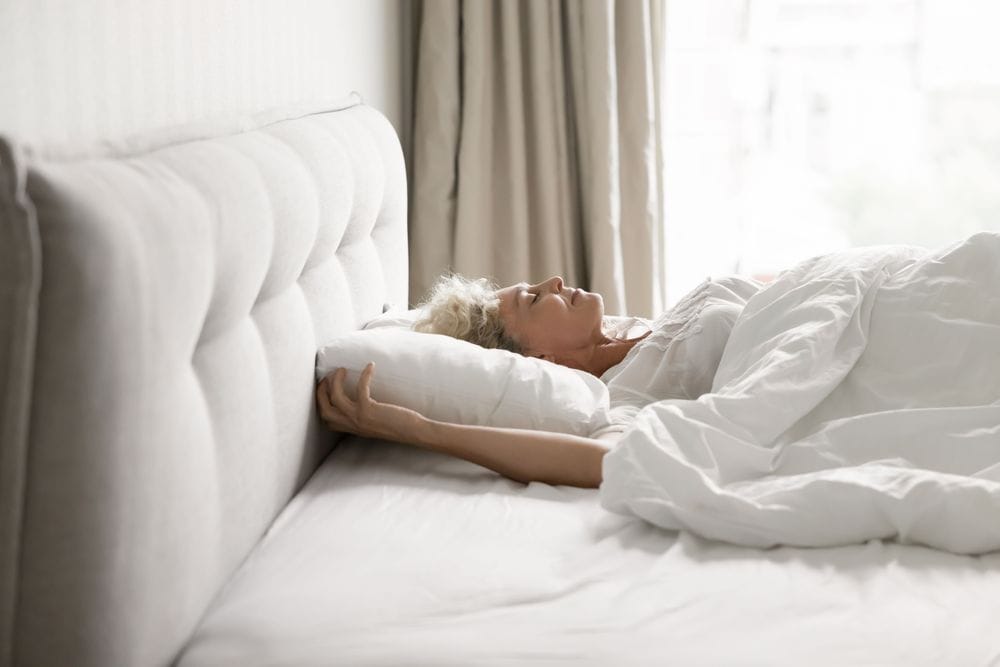
How does sleep change as we age
As we age, our sleep becomes more polyphasic (poly means ‘many’), as opposed to monophasic (mono meaning ‘one). So, in a nutshell, as we get older, we start having more rest phases during the day instead of just one sleep phase at night - much like our beloved pets or babies and young toddlers.
This is a really important realisation for many of my older clients, including my recent 86-year-old client who came to me worrying that she wasn’t getting enough sleep at night and then realised that she was resting - and sometimes for too long - during the day.
“As we age, our sleep becomes more polyphasic (poly means ‘many’), as opposed to monophasic (mono meaning ‘one)” – Dr. Nerina
It’s also interesting that worrying about not sleeping can not only stop you sleeping, but can make you feel more tired the next day.
Many of the challenges described above overlap with recognised sleep disorders in older adults, including insomnia, restless legs syndrome, sleep apnea and circadian rhythm disturbances.

The consequences of a lack of sleep in elderly adults
We all need to be getting good sleep, regardless of our age; there’s a reason why nature has intelligently designed us to spend around a third of our lives sleeping. Chronic sleep deprivation can take its toll on your physical, mental and emotional health.
How seniors’ physical health suffers with poor sleep
Any underlying health conditions such as heart disease, diabetes and high blood pressure might worsen, and it can weaken your immune system making you more susceptible to colds, flu and other infections. Your balance might also suffer leading to increased risk of falls and accidents.
- Chronic diseases such as heart disease, diabetes and high blood pressure might worsen.
- A weakened immune system can increase susceptibility to infections.
- Balance issues may increase the risk of falls and accidents.
The mental and cognitive effects of not getting enough sleep
A lack of sleep massively affects mood, with many of us feeling generally ‘off’ and irritable after a bad night.
It can worsen pre-existing mental health issues, such as depression or anxiety. More recent scientific research also indicates that poor sleep can impact long-term cognitive health with an increased risk of developing dementia and Alzheimer's.
- Chronic mental health conditions might worsen.
- Low mood throughout the day, with many of us feeling less capable.
- Higher risk of developing serious health conditions, including dementia and Alzheimer’s.

How a lack of sleep impacts daily life
Poor sleep can also affect your zest for life making you less sociable and active. Going back to my 86 year old client, she was normally very sociable and regularly walked 10,000 steps per day. In fact, she even wore a fitness tracker to monitor her steps.
But over time, her lack of sleep was impacting her quality of life and when she came to see me she was in a vicious cycle of drinking too many cups of coffee throughout the day to keep her energy levels up and, of course, this was then impacting her sleep.
Other signs to look out for include:
- Reduced energy and motivation during the day.
- Disrupted routines, impacting home and social life.
- Increased caffeine reliance, creating a vicious circle of sleeplessness and exhaustion.
- Lower overall quality of life.

How to improve sleep quality for seniors
So now we come to perhaps the most important part of my article - what can you do to ensure you’re getting good quality sleep and rest? Here are some of my top tips.
Rethink your relationship with rest
Your nighttime sleep is absolutely vital, but you may be getting more rest (and even sleep) during the day than you think.
Look out for those moments during the day when you are relaxing and maybe watching TV and you start to feel as if you could just close your eyes for a moment or so. The chances are, you’re heading towards a ‘micro sleep’ - and this can even happen with your eyes open!
In other words, you might actually be getting more sleep than you think because of these daytime microsleeps. Napping can be a great way to catch up on some much-needed rest. Just be careful to avoid napping for too long, and especially late in the evening, as this will impact your sleep at night.

Get in regular and healthy routines
It’s important to prepare for a good night’s sleep. Winding down well before midnight has been shown scientifically to set you up for more restorative sleep than if you get into bed after midnight. Creating a relaxing bedtime routine will also help you transition more effortlessly into a deeper, more restorative sleep.
Ideally, this would mean getting into bed around 9:00pm to 9.30pm and reading a book or listening to relaxing music - not watching TV in bed or on a tablet.
Avoid watching the news before going to bed as this is more likely to create stress and worry. Instead opt to watch or read something uplifting and funny, even if you’ve already watched it before.
While relaxing in the evening, avoid overhead lighting which tends to suppress melatonin production and instead use calming and soothing side lighting which helps to calm the nervous system and switch mind and body into rest and relax mode.
It’s also a good idea to limit caffeine and alcohol, especially in the evening, and ensure that your diet is healthy and well balanced and that you’re not eating late in the evening and soon to your bedtime.
Optimise your sleep environment
First things first. Start by creating a restful, calm space to sleep in. Make sure the room is cool and dark (blackout blinds and curtains are a great way to keep out sunlight in the summer months).
Tidy away any clutter, which raises your cortisol levels (aka the stress hormone). And finally, make sure your bed and mattress are right for your needs - soft yet supportive, and ideally adjustable, so you can find a position that helps you sleep and rise again without straining.
Ideally, when you walk into your bedroom it should feel like an oasis of calm and a sanctuary for rest.
Activity and daylight
Perhaps surprisingly, what you do during the day affects your sleep at night. Getting more exercise is key here. When you move regularly, you produce a chemical called adenosine which works with the sleep hormone melatonin to switch on your sleep cycle more efficiently.
Getting out into natural daylight and spending time in nature will not only boost your mood, but help your sleep at night. Research shows that getting at least 20 minutes of natural daylight first thing in the morning helps to optimise your daily physiological rhythms and sleep cycle.
Seek help and support
If you’re really struggling with your sleep and have been for a while, please don’t be alone with it.
Take a good look at our website, as there is so much practical advice to help you get the sleep you need at this stage of your life. And don’t forget, Oak Tree Mobility’s adjustable beds offer a range of sleeping positions to help with pain and improve circulation, as well as minimise sleep apnoea, acid reflux and snoring.
Do speak to your doctor about your sleep problems if they are really impacting your health and wellbeing in the ways I’ve outlined in this article.
It might also be helpful to explore alternative therapies such as gentle yoga, massage, acupuncture and reflexology. When I last spoke to my 86 year old client, she had just embarked on a course of reflexology sessions, and her sleep had improved dramatically.
The role of comfort and technology
Oak Tree Mobility’s adjustable beds offer a range of sleeping positions to help with pain and improve circulation and minimise sleep apnoea and acid reflux.
Additionally, our partner SleepEngine has teamed up with Oak Tree Mobility to create SoundAsleep, a device that can help you reset your circadian rhythm through scientifically developed soundwaves.
Upgrade your chair or mattress with one of the integrated devices to fall asleep faster, stay asleep longer and wake more refreshed - whether you’re settling down for the night or enjoying forty winks during the day.
Reclaiming restless nights
The bottom line is that our sleep can be disturbed as we age. This can cause serious issues if the sleep problems are ongoing and pervasive - but it doesn’t have to be taken as inevitable.
There are so many healthy tools and strategies you can use, and I hope that my advice has offered you some reassurance about this.
Frequently asked questions about the consequences of a lack of sleep in the elderly
How does sleep change as we age?
Sleep can become more restless and fitful with less deep sleep and more awakening during the night. Daytime sleepiness and naps can also increase.
Sleep deprivation and ageing - what’s the link?
A lack of sleep and aging are interconnected. Sleeplessness can increase as we age due to medical conditions, medication, mental health issues, natural changes in the sleep cycles and rhythms and lifestyle changes.
How do you treat sleeplessness in the elderly?
By addressing lifestyle, mindset and encouraging support (including medical, if necessary).
How many hours count as sleep deprivation?
In my opinion, this varies according to the individual, but the National Sleep Foundation advises that getting less than six hours of sleep per night on a regular basis is considered sleep deprivation.
Sleeplessness doesn’t need to be an inherent part of being elderly. Not sleeping for days isn’t normal. If this sounds like you or someone you know, it might be time to seek professional advice.