



Rise and Recline Chair Advice
Pain in buttocks from sitting for long periods? How to help

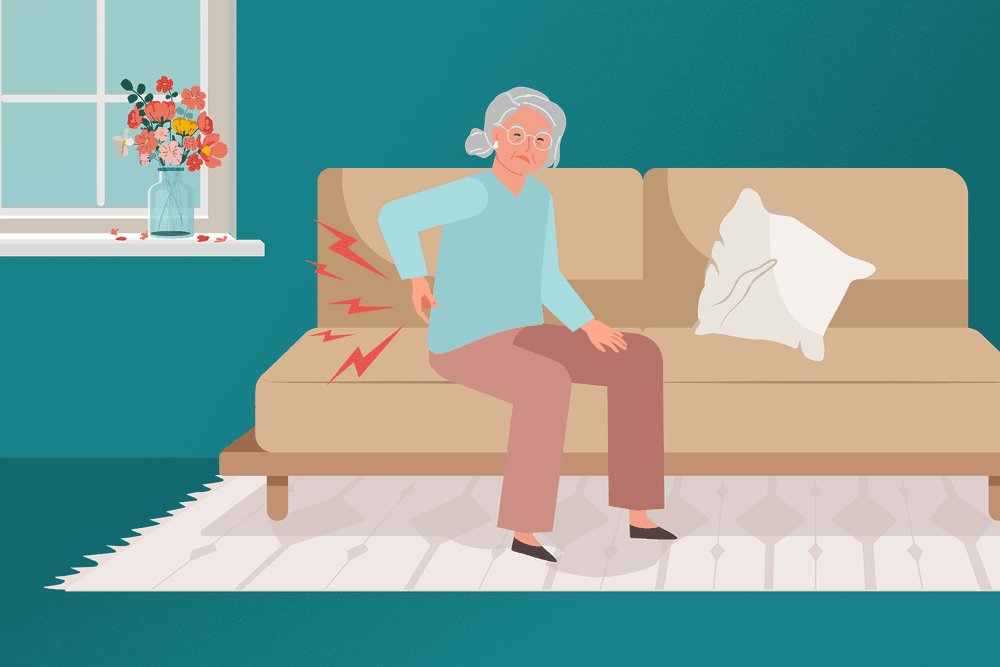
If you've ever sat through a family dinner or a wedding service shifting uncomfortably in your seat, you'll know exactly what pain in the buttocks feels like.
For many people - particularly older adults and anyone who spends large parts of the day seated - this is a regular, sometimes daily, discomfort.
There are several likely causes and effective ways to manage it. This guide explains what might be going on and when it's worth seeing a doctor. We also offer practical ways to find relief - including how the right chair can make a real difference.
Key takeaways:
- Buttock pain from sitting is usually caused by prolonged pressure on muscles, nerves or the 'sit bones'.
- Hard or unsupportive seating - wooden benches, plastic chairs - makes the problem worse.
- Regular movement, proper seat support and posture changes are the best everyday fixes.
- Persistent numbness, sharp shooting pain, or pain that worsens despite rest should be checked by a doctor.

What causes pain in the buttocks when sitting?
Buttock pain when sitting is rarely about one single thing. It's usually a combination of sustained pressure, muscle fatigue, nerve irritation, and the support (or lack of it) provided by the seat.
The buttocks contain large muscles (the gluteals), the sciatic nerve and bony points called the ischial tuberosities - often nicknamed the 'sit bones' - which bear much of your weight when seated. When you sit for a long time, especially without moving, blood flow to this area reduces, muscles fatigue, and pressure builds directly on the sit bones and surrounding tissue.
Common causes of pain in the buttocks
| Cause | What it feels like | Common triggers |
| Piriformis syndrome | Deep ache or sharp pain, often one-sided, may radiate down the leg | Prolonged sitting, especially on hard or thin-cushioned surfaces |
| Sciatica | Sharp, shooting or burning pain from lower back through buttock and leg | Compressed or irritated sciatic nerve; worse with sitting |
| Ischial bursitis (also called ‘weaver's bottom’) | Localised, tender pain directly on the 'sit bone' | Pressure on hard surfaces; more common with reduced muscle padding |
| Muscle fatigue / deconditioning | Dull, generalised ache that builds gradually | Long periods of inactivity; weaker gluteal muscles |
| Poor posture / chair support | Aching across lower back and buttocks together | Unsupportive chairs, slouching, hard or uneven seats |
| Pressure-related skin/tissue issues | Soreness, tenderness, occasionally numbness | Reduced mobility, prolonged sitting without repositioning |
Why do I feel pain in my buttocks when I sit down?
If the pain starts almost as soon as you sit, rather than building gradually, this often points to direct pressure on a sensitive area - such as the sit bones or a nerve that's easily irritated by your sitting position.
People with less natural cushioning are often more prone to this, because there's less soft tissue to absorb pressure between bone and seat.
Posture plays a role too. Slouching or sitting unevenly shifts your weight unevenly across the pelvis, concentrating pressure on one side - which is why pain is often worse on one buttock than the other.
[Insert image: diagram showing sit bones and pressure points when seated]
Physiotherapist Daniel Lawrence also talks about seat height as a possible cause:
“Start by having a look at your sitting position. Your hips should be higher than your knees. If your chair has a tilt function, use this to tilt forwards and take some of the pressure off the bum bones.”
Sometimes, sitting up too straight also adds pressure and compresses the hamstring tendons. For this reason, it can be helpful to lean back a bit if your chair has a tilt function.
Daniel also advises using a support cushion. Find out: How to choose the right pressure cushion for your needs.
[Option to add additional comment if/when a physiotherapist partner comes on board]
Does sitting for long periods cause piriformis syndrome?
Sitting for long periods doesn't directly cause piriformis syndrome (deep buttock pain), but it’s one of the most common triggers for flare-ups in people with a tendency toward it.
The piriformis is a small muscle deep in the buttock that helps rotate the hip. When it becomes tight, inflamed or goes into spasm, it can press on the nearby sciatic nerve - causing pain that ranges from a dull ache to sharp, shooting discomfort down the leg.
Sitting compresses the piriformis directly, particularly on hard surfaces or in chairs without proper support. This is especially common for people who sit for extended periods without standing or shifting position - at home, during travel or at events involving long periods of sitting.
But, while piriformis syndrome is often discussed as a cause of pain that worsens with sitting, it’s not the only explanation.
Similar symptoms to piriformis syndrome can also be caused by lower back problems, hamstring tendon irritation, sacroiliac joint dysfunction or other conditions affecting the buttock and hip. For that reason, sitting-related pain should not be assumed to be piriformis syndrome.
How to tell if your piriformis is inflamed
A few signs can suggest the piriformis muscle is involved, though only a healthcare professional can confirm a diagnosis:
- Pain deep in the buttock, often on one side, that worsens with sitting.
- Discomfort that ‘radiates’ down the back of the thigh (a burning or shooting sensation), sometimes resembling sciatica.
- Pain that eases somewhat when standing or walking, but returns after sitting again.
- Tenderness when pressing directly into the centre of the buttock.
- Pain that worsens when climbing stairs or sitting cross-legged.
What kind of pain is it? A simple self-check
Understanding the character of your pain can help you describe it more clearly to a healthcare professional - and can offer some early clues about what might be going on. This is not a diagnostic tool, simply a way to organise your thoughts before seeking advice.
Ask yourself:
- Is the pain dull and aching, or sharp and shooting?
- Is it on one side only, or both buttocks equally?
- Does it stay in the buttock, or travel down the leg?
- Is there any numbness, tingling or weakness alongside the pain?
- Does it ease when you stand up and move, or does it persist?
- Did it come on suddenly, or build up gradually over time?
As a general guide:
- Dull, generalised ache that improves with movement is often due to muscular fatigue or poor seat support.
- Sharp pain localised to one spot when pressed may suggest ischial bursitis or direct pressure injury.
- Pain radiating from the lower back or buttock down the leg may suggest sciatica or another form of sciatic nerve irritation, including piriformis syndrome.
These patterns can provide useful clues, but they aren't enough to diagnose the cause of pain on their own. If symptoms are severe, persistent, worsening or affect your daily activities, it's worth speaking to a GP or physiotherapist.
When hard surfaces make it worse
It often shows up in everyday moments when seating isn’t very forgiving - like a wooden bench at a family dinner, a church pew or plastic stadium seating. These surfaces offer little to no cushioning, so your sit bones bear the full brunt of your body weight.
This is an extremely common and relatable experience - and one that often prompts people to search for answers, having noticed that a single long event left them in discomfort for days afterwards.
If you know you'll be sitting somewhere for an extended period, bring a portable cushion, choose an aisle seat where you can stand periodically, or simply move about every 20–30 minutes.

Why this matters more for the elderly and people who sit for long periods
Buttock pain from sitting isn't just an inconvenience - it can have a real impact on quality of life. Reduced muscle mass with age means less natural cushioning over the sit bones. Reduced mobility can make it harder to shift position, allowing pressure to build for longer. And for people who already manage chronic pain conditions, sitting discomfort can compound existing issues.
Many people simply accept sitting pain as something that comes with getting older, without realising that both the underlying causes and the available solutions are well understood.
In a recent article in Harvard Health, physiotherapist Vijay Daryanani explains further:
"Buttock pain becomes more common as we get older because age-related changes in muscle strength, mobility and activity levels can make the effects of prolonged sitting more noticeable."
How do you relieve buttock pain from sitting too long?
The right approach depends on the cause. But there are some things you can do, regardless of what's driving the discomfort. Judge it based on what feels best in your body, and always seek help if something doesn’t feel right.
Move regularly
- Stand up and walk for a minute or two every 20–30 minutes where possible.
- Shift your weight from side to side periodically while seated.
- Gentle stretching to relieve muscle tension before it builds.
Improve your seating
- Use a supportive cushion, especially on hard surfaces.
- Choose chairs with proper lumbar and seat support where possible.
- Avoid sitting with your wallet or phone in your back pocket - this tilts the pelvis unevenly.
- Sit with both feet flat on the floor and your weight evenly distributed.
Targeted stretches
Gentle stretching can relieve tension in the glutes and piriformis muscle. Common examples include the seated piriformis stretch (crossing one ankle over the opposite knee and leaning forward gently) and standing hip stretches.
A physiotherapist can recommend stretches tailored to your specific symptoms.

Stay moving: Chair exercises to maintain your mobility.
Apply heat
- A warm compress or heat pad can relax tight muscles.
- Heat is great for muscular causes, but less so for nerve-related pain where a doctor's guidance is more appropriate.
Strengthen supporting muscles
Weak gluteal muscles contribute to poor pressure distribution when sitting. Gentle strengthening exercises - guided by a physiotherapist - can improve muscle support around the pelvis over time, reducing how much pressure falls directly on the sit bones and surrounding nerves.
Can the right chair help?
Yes. A comfortable recliner chair can make a big difference to how your body feels day to day.
Chairs designed with pressure relief in mind can help reduce discomfort from long periods of sitting:
- Evenly spread pressure across the seat, so weight isn’t concentrated on the sit bones.
- Good lower back support helps you sit in a more natural, relaxed position.
- The ability to change position or recline easily means you’re not staying in one spot for too long.
Heat and massage functionality
Chairs with built-in heat and massage functions can also help.
The massage function can relax the muscles around the hips and lower back, which may reduce feelings of stiffness and tightness.
Many people who experience buttock or hip discomfort find that getting up after sitting for a long time is one of the toughest moments. Gentle heat or massage beforehand can make that transition feel a little easier.

When to see a doctor about buttock pain
Certain symptoms warrant a proper medical assessment, rather than self-management.
- Pain that is severe, sudden, or significantly worsening.
- Numbness, tingling or weakness in the leg or foot.
- Pain that doesn't improve with rest, movement or several weeks of self-care.
- Loss of bladder or bowel control (seek urgent medical attention).
- Pain following a fall, injury or accident.
- Unexplained weight loss alongside the pain.
Final thoughts: What you can do
Pain in the buttocks when sitting for long periods is common as we get older or spend more of the day seated. In most cases, it's the result of sustained pressure, muscle fatigue or nerve irritation - all of which can be eased through regular movement, better seating support and, where needed, professional guidance.
If sitting discomfort is a regular part of your day, it's worth looking at both your habits - taking regular breaks, stretching, checking your posture - and your seating itself.
If you'd like to explore chairs designed for comfort and pressure relief, Oak Tree Mobility is happy to help you find the right fit - with a free, no-obligation home appointment available across the UK.

FAQs: Buttock pain when sitting
How do you relieve buttock pain from sitting too long?
Move regularly - ideally every 20–30 minutes - and use a supportive cushion or chair to reduce pressure on the sit bones. Gentle stretching and applying heat can also ease discomfort. If pain persists, a physiotherapist can offer targeted treatment.
Why do I feel pain in my buttocks when I sit down?
Usually, it’s due to sustained pressure on the sit bones, muscle fatigue or irritation of nearby nerves. Hard or unsupportive seating makes this worse, as does prolonged sitting without changing position. Reduced natural cushioning (common with ageing) can also contribute.
Does sitting for long periods cause piriformis syndrome?
Sitting doesn't directly cause piriformis syndrome, but it's a very common trigger for flare-ups.
How to tell if your piriformis is inflamed?
Signs include deep, one-sided buttock pain that worsens with sitting, discomfort that ‘radiates’ down the back of the thigh and tenderness when pressing into the centre of the buttock. Pain often eases when standing or walking but returns after sitting again. A physiotherapist or GP can confirm whether the piriformis is involved.
What causes pain in the buttocks when sitting?
Common causes include piriformis syndrome, sciatica, ischial bursitis (inflammation near the sit bones), general muscle fatigue from prolonged inactivity and poor posture or unsupportive seating. The exact cause often depends on the type, location and pattern of the pain.
Is it normal to have buttock pain after sitting for a long time?
Mild discomfort after extended sitting, particularly on hard surfaces, is common and not usually a cause for concern. However, pain that is severe, persistent, accompanied by numbness or weakness or that doesn't improve with movement and rest should be assessed by a doctor.
See also…
- How to prevent back pain in old age
- Best sleeping position for lower back pain
- What recliner chair accessories can help with comfort?
- The best rise and recline chairs for disabled people
Sources and references
- “The end of painful sitting: What can you do about pain and discomfort caused by sitting for long periods?” - Physiotherapist Vijay Daryanani, Harvard Health
- Stop buttock bone pain (when sitting) - The Physio Channel - Daniel Lawrence, Physiotherapist
- Self-care Techniques May Help Relieve Discomfort from Buttock Pain - Shawn Bishop, Mayo Clinic
- Hip and buttock pain physiotherapy - NHS
- Sciatica - NHS
- Back pain - NHS
- Royal College of Occupational Therapists