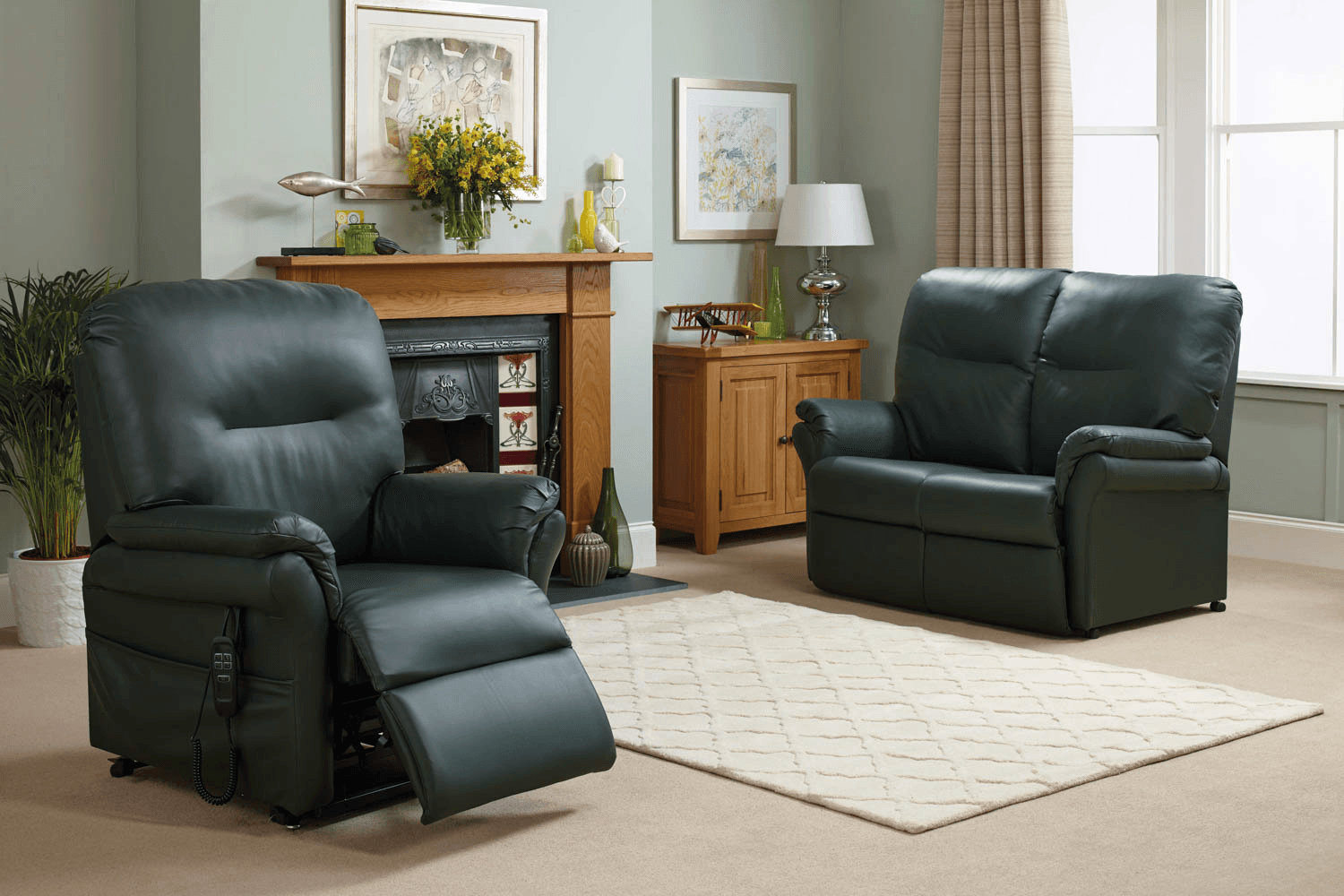



Rise and Recline Chair Advice
Buying guide: The best rise and recline chairs for disabled people

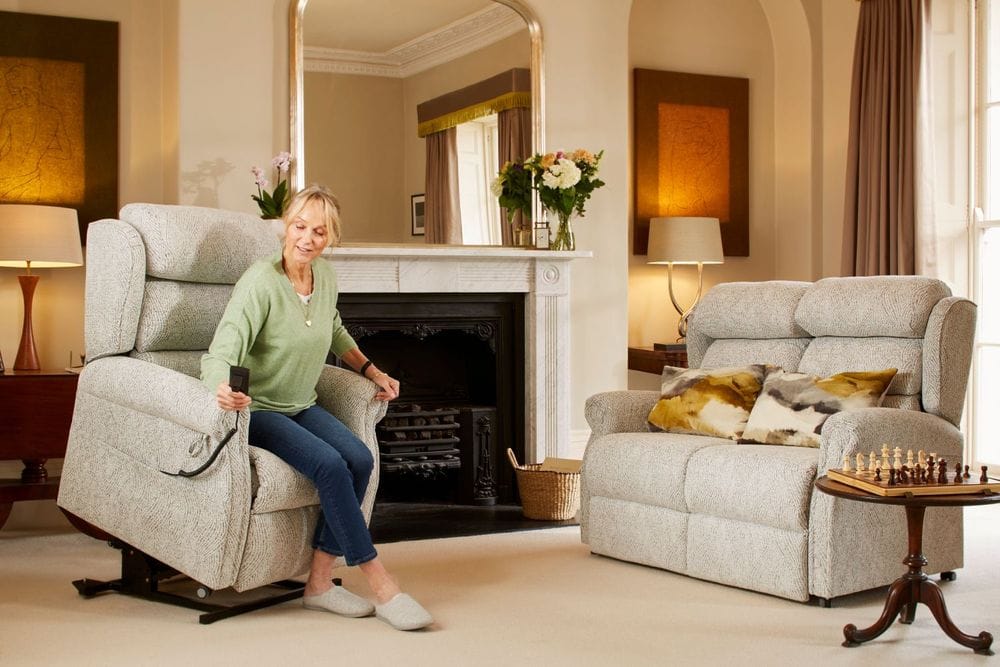
When everyday movement gets harder, your seating matters more than ever. The right recliner chair can ease pain, support your posture, improve circulation – and most importantly, give you back a sense of independence.
For people living with reduced mobility due to disability, a normal sofa often isn’t up to the job. Standing up can take effort or put undue strain on your joints. Sitting too long can also cause pressure and discomfort, which makes the situation worse. Even small tasks – getting a drink or answering the door – start to feel like hurdles.

That’s where specialist recliner chairs for the disabled come in. Designed to support bodies with limited strength, balance or mobility, they help you move, stay comfortable and remain safe at home.
In this guide, we’ll explain how disabled recliner chairs work, and how to choose the best option for lasting comfort and independence.
Key takeaways :
- The best recliner chairs for the disabled improve posture, circulation and safety while supporting independent movement.
- Rise and recline mechanisms can significantly reduce strain when standing or sitting.
- Choosing the right size, motor type and support features is just as important as choosing a comfortable design.
- Well-designed electric recliner chairs for disabled people can help manage pain, fatigue and mobility limitations over time.
The benefits of recliner chairs for disabled people
At first glance, a recliner may look like a comfort feature. In reality, for many people living with mobility challenges or a disability, it’s a form of assistive equipment – one that supports the body throughout the day. Here are some of the main benefits.
Improved safety
First (and arguably most important) is safety. Rising from a low or unsupportive seat puts strain on your joints and back. For people with weakness, arthritis or neurological conditions, this can increase the risk of falls. Standing up too quickly can also make you lightheaded, which also raises the chance of a wobble.

A powered recliner gently lifts the body into a standing position, reducing the physical load and slowly helps your blood pressure adjust to the new position, resulting in more stability – and confidence.
Posture support
Prolonged sitting in a poorly shaped chair can cause the pelvis to tilt, the spine to slump, the neck to strain forward – it can even prevent oxygen reaching the brain effectively. Over time, this can lead to pain, pressure sores, fatigue and cognitive impairment.
Purpose-built disabled riser recliner chairs are designed to hold the body in a more neutral position, with proper lumbar, head and leg support.
Improved circulation
Circulation gets a boost when you elevate your legs. Swollen ankles, heavy legs and cold feet are common problems for people with limited mobility and/or circulation issues.
Reclining allows blood and fluid to move more easily back toward the heart, reducing discomfort and helping the body regulate itself.
More independence
Being able to stand up, sit down and change position without help restores dignity and control – small things that make a big difference to daily life.
Picking the right type of chair – style and practicality matter
There is no single ‘best’ chair for everyone. The right option depends on strength, balance, body size, medical conditions and how you’ll use the chair day-to-day.
Armchairs
Some arm chairs for disabled people offer higher seats, firmer cushions and supportive armrests without powered functions. These can suit people with mild mobility issues who still want easier standing and better posture.
Look for models that have ‘knuckles’ – protruding wooden hand grips that give the user more purchase when raising themselves up to standing.
Rise and recline chairs
This is the most popular option for people with mobility challenges. A powered motor lifts the chair gently forward, guiding the user into a standing position. When sitting down, it lowers smoothly back to the seated position. They’re ideal for people with arthritis, balance problems, muscle weakness or fatigue.
Single motor vs dual motor recliners vs wallhugger motors
All rise and recline chairs contain a motor, which operates the leg and backrest. Different motors offer slightly different levels of support.
- Dual motor models allow the back and legs to move independently, which helps you achieve the exact position you want.
- Unique high leg lift motors are the gold standard. These designs move the back and footrest together, which keeps the body aligned at all times. It also raises the legs 6” higher than your hips, which helps the blood in your feet move its way back to the heart, improving circulation.
- Wallhugger motor recliners offer rise and recline support in a smaller space. This mobility chair only needs a 6’’ gap from the wall, freeing up space in your living room.
Tilt-in-space recliners
Tilt-in-space chairs are recliners that gently tip the whole seat back while keeping your hips and knees in the same position. They operate via a unique high leg lift motor that means you can shift your weight and take pressure off sore spots without having to move or readjust yourself.
They’re often used by people with neurological conditions, weaker core muscles or anyone at risk of pressure sores, because they offer a lot more support and stability over long periods of sitting.
Material options: leather vs. fabric
Leather is hardwearing, easy to wipe clean and good if you’re worried about spills or mess. Fabric, though, tends to feel softer and warmer, and it lets your skin breathe a bit more.
If you’re spending a lot of time in the chair – which many older or disabled people are — fabric usually feels more comfortable day to day.
| Chair Type | Best for | Key benefits | Considerations |
| Armchairs | Mild Mobility issues | Simpler, smaller footprint | No powered lifting or support |
| Rise and recline chairs | Reduced Mobility, arthritis, recovery | Helps user stand and sit safely | Needs space behind chair |
| Dual motor recliners | Mobility support with customisable comfort | More control | Does not raise ankles as high as a unique high leg lift chair |
| Unique high leg lift recliners | Reduced Mobility, arthritis, recovery | Pressure relief, stability and improved circulation | Needs 12" of space behind the chair for full recline |
| Wallhugger motor recliners | Mobility support in a smaller space | Recliner with a smaller footprint | Does not raise ankles as high as a unique high leg lift chair |
| Tilt-in-space recliners | Neurological conditions, weaker core muscles or anyone at risk of pressure sores | Near zero-gravity support | Needs 12" of space behind the chair for full recline |
What to look for in an adjustable chair
Choosing a chair to help with mobility challenges is about far more than looks and squishy cushions.
Back, head and lumbar support
A good chair should follow the natural shape of your spine and gently support your lower back and neck. You want your head to feel supported without being pushed forward, and your back to feel held rather than slouched.
Seat height and depth
When you’re sitting properly, your feet should rest flat on the floor. If the seat is too low or too deep, it makes standing up much harder and puts extra strain on your knees and hips.
Footrests and armrests
Wide, padded armrests give you something solid to push on when you’re sitting down or standing up. Footrests should support your legs all the way along, so your feet and calves aren’t left hanging or under pressure.
You might also want to consider wooden knuckles on the arms, which provide even more support when you’re lifting yourself up to a standing position.
Unique high leg lift and tilt features
Being able to move your legs 6 inches above your hips makes a big difference in terms of circulation and comfort. It lets you find a position that eases pain, swelling or tiredness – you can also fall asleep comfortably and safely when fully reclined.
Extra features
Many electric recliner chairs come with things like heat, massage, handy storage pockets and even battery backup, so the chair still works if there’s a power cut (or you forget to charge your main power supply).
Style
We said back there that a recliner is about more than looks – but that doesn’t mean looks don’t matter.
These days, supportive chairs don’t have to look medical. Oak Tree designs blend into your home like any other comfy armchair, so the room still feels warm and normal – just more supportive. Choose from over 500 premium fabrics and leathers to find one that feels ‘you’.
Tips for choosing a chair
- Measure your room carefully – recliners need space behind them.
- Check weight limits and sizing.
- Consider post-surgery or future mobility changes.
- Look for washable or wipe-clean fabrics if necessary.
- Always try before you buy, so you can test comfort and quality.
- Make sure the sales representative shows you how to use it safely.
FAQs about chairs for elderly disabled people
What is a disability chair?
A disability chair is any seat designed to support people with limited mobility, strength or balance, often including powered reclining or lifting functions.
What is the best chair for disabled person?
The best option is one that fits the user’s body, health needs and daily routine – often a rise-and-recline model with supportive cushioning.
Can you get a recliner chair on the NHS?
In some cases, the NHS may provide seating through wheelchair or occupational therapy services, but many people choose to buy privately for faster access and wider choice.
What is the best chair for elderly people with mobility issues?
Most older people benefit from chairs that reduce strain on joints and prevent falls.
Why choose Oak Tree Mobility?
At Oak Tree Mobility, we specialise adjustable chairs for disabled users and those with mobility challenges. They all combine medical-grade support with home-friendly design. Our advisers help match each person to the right size, style and motor system – ensuring long-term comfort and safety.