



Health and Wellbeing
How to choose chair pillows and pressure cushions for the elderly

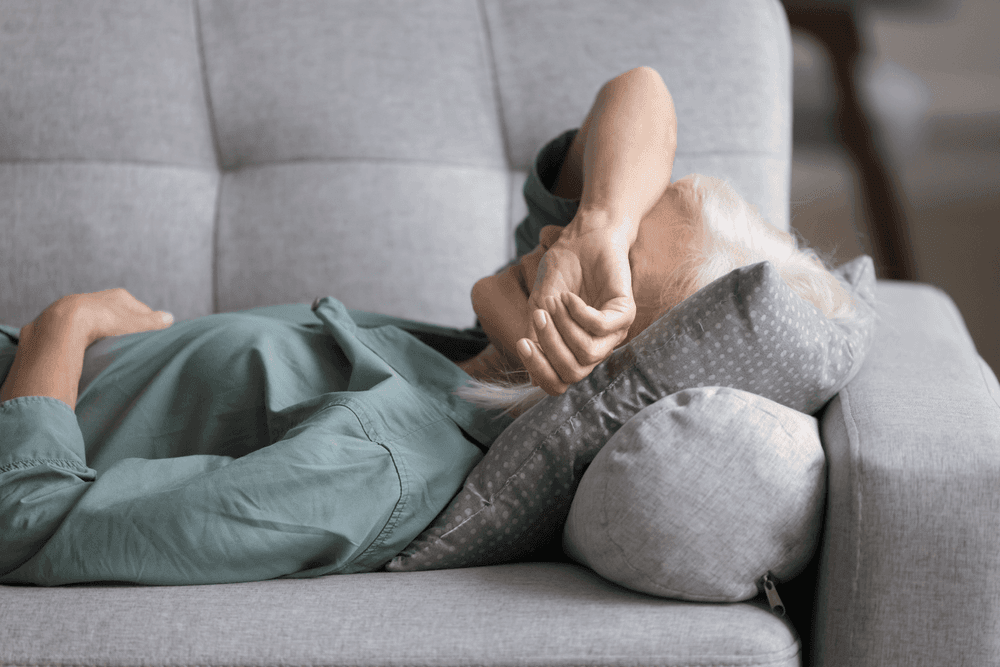
Whether in a wheelchair, a riser recliner or an armchair, spending long periods sitting down without the right cushioning puts pressure on the body. Over time, that pressure can lead to discomfort, reduced circulation and, in more serious cases, pressure sores.
For elderly people or those with limited mobility, a chair pillow can make a great difference to daily comfort.
This guide explains what pressure sore cushions are, the different types of cushion available and what to look for when choosing one, whether for a chair at home or a wheelchair.
Key takeaways:
- Pressure cushions help redistribute weight and reduce the risk of pressure sores.
- Different cushion types suit different needs, from foam to gel to air-filled.
- The right cushion depends on your level of mobility, how long you spend sitting and the type of chair or wheelchair you use.
For more personal advice, consult a healthcare professional or occupational therapist.

What are pressure sore cushions?
A pressure sore cushion - sometimes called a ‘pressure relief cushion’ or ‘pressure redistribution cushion’ - is a seat cushion that helps spread body weight more evenly.
Rather than letting pressure build in one area (such as the tailbone or hips), these cushions reduce the intensity of that pressure, improving comfort and helping to prevent skin sores.
Pressure sore cushions are usually recommended for:
- Elderly people who spend long periods seated in chairs (e.g. rise and recliners) or sitting up in bed
- Wheelchair users
- People recovering from surgery or illness
- Anyone at risk of developing pressure sores
Why are pressure sores a concern for the elderly?
Pressure sores (also called ‘pressure ulcers’ or ‘bed sores’) develop when sustained pressure cuts off blood flow to the skin and underlying tissue. Elderly people are particularly vulnerable, because skin becomes thinner and more fragile with age, and reduced mobility means less natural movement to relieve pressure.
Common pressure points when seated include the tailbone (‘coccyx’), hips, thighs and the backs of the knees. Left untreated, pressure sores can become serious. They are much harder to heal than to prevent, which is why choosing the right chair pillow or pressure cushion is important.
When seated, the main pressure points are…
- The tailbone (or ‘coccyx’) - the most common area for pressure sores when sitting
- Ischial tuberosities (the sitting bones at the base of the pelvis) - these bear the most body weight when seated
- Sacrum - the flat bone just above the tailbone
- Hips / greater trochanters - the bony prominences on the outer sides of the hips
- Backs of the thighs - where the legs rest on the seat edge of chairs
- Backs of the knees (if the seat edge cuts into this area)
- Shoulder blades - if leaning against a hard chair back
- Heels - particularly relevant when legs are extended on a footrest or wheelchair footplate
Types of pressure cushions for the elderly
1. Foam pressure cushions
Foam cushions are the most widely available and affordable option. High-density or memory foam moulds to the shape of the body, helping to distribute weight more evenly. These cushions are lightweight and easy to move between chairs, making them a practical choice for everyday use at home.

Best for: People at low to medium risk of pressure sores who want a simple, low-maintenance cushion.
2. Gel pressure cushions
Gel cushions contain a layer of slow-moving gel that flows and adjusts as you move, helping to shift pressure away from any one spot. The gel micro-adjusts with the sitter’s movement, reducing the risk of sustained pressure build-up. They also tend to stay cooler than foam.
Best for: People who sit for extended periods and want additional comfort and temperature regulation.
3. Air-filled (inflatable) pressure cushions
Air cushions are made up of small connected air cells. As bodyweight shifts, air moves between the cells to adjust, constantly relieving pressure from the spots that need it most.
You can also inflate or deflate the cushion to fine-tune the firmness to suit the individual. Most come ready to use, though they may need an occasional top-up over time to maintain the right level of support.
Best for: Higher-risk people, wheelchair users, or anyone recommended an air cushion by a healthcare professional.
4. Foam and gel combination cushions
Some pressure cushions combine foam and gel layers to offer the benefits of both - the support of foam with the adaptive comfort of gel. These can be a good middle-ground option for people who need reliable pressure relief without the fuss of an air cushion.
Best for: Those wanting a versatile, low-maintenance cushion with good pressure relief.
5. Donut cushions (ring cushions)
Donut cushions have a hole in the centre, which removes direct pressure from the tailbone and coccyx area. They are particularly popular for people recovering from coccyx injuries or those who experience pain when sitting.
Note: While widely used, some healthcare professionals advise caution with donut cushions for pressure sore prevention specifically, as the ring shape can sometimes restrict blood flow around its edges. If in doubt, seek professional guidance.
Best for: Coccyx pain relief and post-surgery recovery.
What to look for when choosing a pressure cushion for the elderly?
Level of risk
Think about how long the person sits each day and whether they have any existing skin concerns or a history of pressure sores. Higher-risk individuals may need a more advanced cushion, which an occupational therapist can advise on.
Type of chair or wheelchair
A pressure cushion for an armchair at home is different from a pressure cushion for a wheelchair. Wheelchair cushions need to fit the seat dimensions precisely and should not interfere with posture or transfer in and out of the chair. Look for cushions specifically designed as pressure cushions for wheelchairs if that’s the intended use.
Read more: How might a transit wheelchair benefit you or a loved one?
Ease of cleaning
Hygiene is important, especially for cushions used daily. Look for removable, washable covers. Many pressure cushions come with waterproof or moisture-resistant covers - helpful for elderly people who may be prone to incontinence.
Weight and portability
If the cushion will be moved between rooms or taken out regularly, weight and portability matter. Foam cushions tend to be lightest. Air-filled cushions can be bulkier.
Firmness and adjustability
The right level of firmness is personal. Some people need firmer support; others prefer softer pressure relief. Air-filled cushions offer the most adjustability, while foam and gel cushions tend to be fixed. If possible, try before you buy.
Size and fit
Make sure the cushion fits the seat properly. A cushion that is too large may slide or bunch up; one that is too small will not provide enough coverage. Always check the dimensions.
Using chair pillows at home
Not everyone needs a clinical-grade pressure cushion. Many elderly people simply want to make their favourite recliner or dining chair more comfortable. A good chair pillow can provide lumbar support, lift the seat height slightly or cushion bony areas without the need for a specialist product.
When choosing a chair pillow for home use, look for:
- Good quality foam or memory foam filling that holds its shape over time
- A non-slip base to prevent the cushion from sliding
- A removable, washable cover
- The right thickness - enough to provide comfort without making the seat too high
If unsure whether a standard chair pillow is appropriate or whether a pressure relief cushion is needed, speak with a GP or occupational therapist.
Read more: Rise and recliner accessories that help with comfort

FAQs: Pressure sore cushions for the elderly
What is the best pressure sore cushion for the elderly?
The right choice depends on how long the person is seated each day and their comfort preferences. Foam cushions are great for people who can reposition themselves and move during the day. Air-filled or gel cushions may be better for wheelchair users or those with skin issues or a history of pressure sores.
Do pressure cushions actually prevent pressure sores?
Pressure cushions help reduce the risk of pressure sores by redistributing weight and reducing the intensity on pressure points. They’re an important part of pressure sore prevention but work best alongside regular repositioning, good nutrition and skin care. They are not a substitute for medical treatment if a pressure sore has already formed.
What is a donut cushion used for?
A donut cushion (also called a ‘ring cushion’) has a hollow centre that removes direct contact with the tailbone and coccyx area. It’s commonly used to relieve pain from coccyx injuries or post-surgical discomfort. However, some healthcare professionals prefer other cushion types for long-term pressure sore prevention in elderly people.
How do I know if someone needs a pressure cushion for their wheelchair?
If a wheelchair user spends several hours per day in their chair, or has limited ability to reposition themselves, a pressure cushion for the wheelchair is generally recommended. Wheelchair-specific cushions should be properly sized and fitted to the chair.
What are the signs that a pressure cushion is a good idea?
These include redness or soreness on pressure points after sitting, complaints of discomfort or advice from a healthcare professional. It's also worth considering padding if the person sits for long periods during the day, has limited mobility or fragile or thin skin.
Can I get a pressure cushion on the NHS?
In some cases, pressure cushions may be available through the NHS, particularly if prescribed by a GP, district nurse or occupational therapist for someone at significant risk of pressure sores.
Final thoughts
Choosing the right pressure cushion or chair pillow might seem straightforward. But there are several options available, and it’s worth taking the time to find the right fit. Whether looking for everyday comfort at home or specialist pressure sore relief for a wheelchair user, the most important thing is matching the cushion to the individual’s needs.
At Oak Tree Mobility, we also tailor our rise and recliners to the person. We’ll come and visit you to take your measurements in-person, and then we hand-make the final product. That’s the level of care we put in.
If you have any questions, our team is always happy to help.
See also…
- Who is eligible for free mobility equipment?
- Parkinson's and mobility: Best chairs and mobility aids
- What recliner chair accessories can help with comfort?
- The best rise and recline chairs for disabled people
Sources and references
- NHS - Pressure ulcers (pressure sores)
- NICE Clinical Guideline CG179 - Pressure ulcers: prevention and management (2014, reviewed 2018)
Kent Community Health NHS - Pressure ulcer prevention