


Health and Wellbeing
What is a self-propelled wheelchair? Benefits and uses
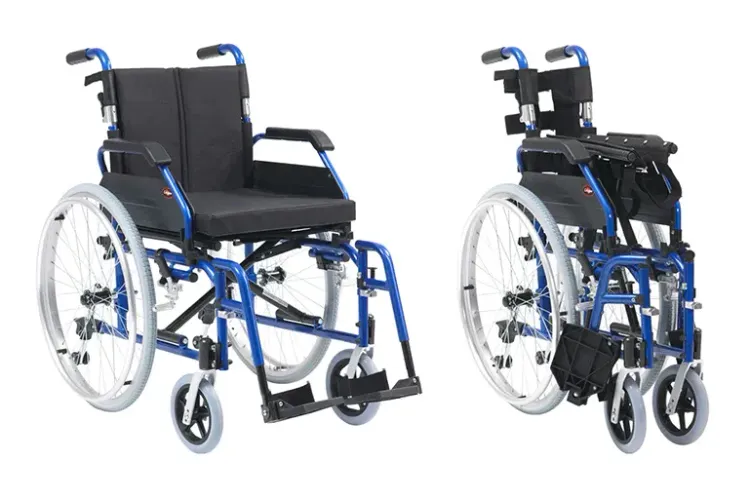
A self-propelled wheelchair is a mobility aid that allows users to move independently using their own upper-body strength. With large rear wheels and hand rims, it gives people greater control over how and where they move, whether at home or outdoors.
At Oak Tree Mobility, we understand how important independence is, which is why choosing the right wheelchair can make a real difference to everyday life.
Key takeaways:
- A self-propelled wheelchair allows users to move independently using large rear wheels and hand rims.
- It’s best suited to people with enough upper body strength to manoeuvre safely.
- Self-propelled wheelchairs offer greater freedom and are ideal for both indoor and outdoor use.
- They can also be pushed by a carer when needed, offering flexibility.
- Choosing the right wheelchair depends on lifestyle, comfort and mobility needs.

What is a self-propelled wheelchair?
A self-propelled wheelchair is a mobility aid that’s self-operated by a user. Handles at the frame’s rear allow for assistance if needed, but most of the time it will be pushed and manoeuvred by the user themselves. This is done using the large rear wheels, which are fitted with hand rims that allow the user to push forward, pull backwards and turn.
As they are manually controlled, they help people with limited mobility retain their independence both inside and outside their homes. However, a user must be taught how to use a self-propelled wheelchair properly to avoid fatigue or arm injuries.
Key features
- Large rear wheels with push rims for self-movement
- Handles for assisted pushing if needed
- Manual operation (no motor required)
- Foldable frames on some models for easy transport
- Suitable for both indoor and outdoor use
Types of self-propelled wheelchairs
There is a range of self-propelled wheelchairs available, depending on your needs:
- Standard self-propelled wheelchairs – practical and suitable for everyday use
- Lightweight models – easier to manoeuvre and transport
- Folding self-propelled wheelchairs – ideal for travel and storage
- Heavy-duty wheelchairs – designed for extra durability and support
Choosing the right type depends on how often you plan to use the chair and where you’ll be using it.
Who is a self-propelled wheelchair for?
A self-propelled wheelchair for disabled or elderly users is ideal for:
- People with enough upper body strength to move independently
- Those who want more control over their mobility
- Or who split time between independent use and assisted support
- Users who spend time both indoors and outdoors
They can be particularly beneficial for maintaining independence and confidence in daily life.
When to use one?
A self propel wheelchair can be used in a range of everyday situations, from moving around the house to visiting friends or travelling short distances. Because of their larger wheels, they tend to perform better on uneven surfaces in comparison to transit wheelchairs.
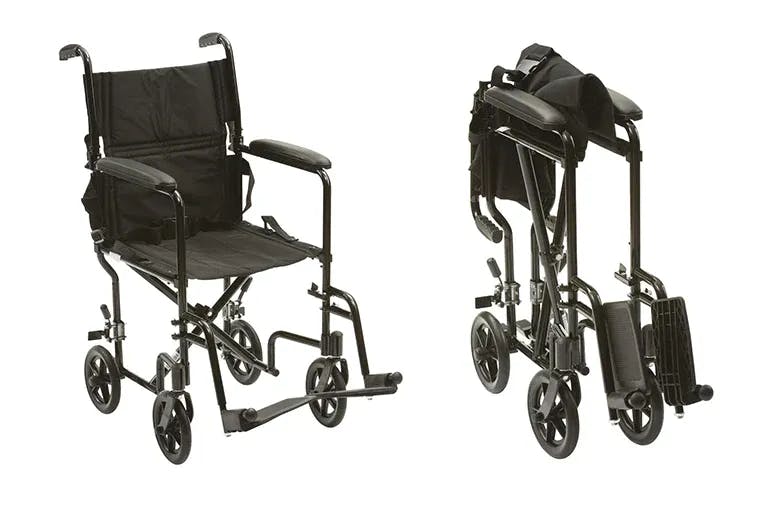
Transit wheelchair vs self-propelled: What’s the difference?
| Feature | Transit wheelchair | Self-propelled wheelchair |
| Wheel size | Small rear wheels | Large rear wheels |
| Who moves it | Carer only | Carer or user |
| Independence | Limited | High |
| Outdoor use | Less suitable | More suitable |
| Weight | Lighter | Slightly heavier |
Looking for a comfortable chair for home use? Explore Oak Tree Mobility’s rise and recliner range here.
The benefits of a self-propelled wheelchair
Freedom of movement
Even if you don’t intend to push yourself all the time, a self-propelled chair allows you freedom of movement. Having access to the wheels means you can change the direction without relying on another person. This is particularly useful in social settings.
Flexibility
Most self-propelled wheelchairs come with handles on the back of the chair. While users of this type of chair will generally push themselves, the handles allow another person to push the chair if required.
Best for outdoor use
If you want to use your wheelchair outside, a self-propel chair is a better choice than a transit chair. The large wheels on a self-propelled chair are more suited to rough surfaces. They help prevent vibrations from the road, travelling up and through your body. This improves your comfort and offers a much smoother ride.
Folding and practicality
Although the larger wheels on a self-propelled wheelchair add weight to the frame, many models can be folded. This makes it easier to take your chair with you when travelling.
How to use a self-propelled wheelchair
- Sit upright with your back supported.
- Place your hands on the push rims.
- Push forward evenly on both wheels to move straight.
- Use one hand more than the other to turn.
- Apply brakes when stopping.
Safety tips:
- Start slowly and build confidence.
- Avoid overexerting your arms.
- Use gloves if needed for a better grip.
- Take regular breaks to prevent fatigue.
Is a self-propelled wheelchair right for you or your loved one?
A self-propelled wheelchair may be a great choice if:
- You have enough upper-body strength to move the wheels.
- You want greater independence in daily life.
- You plan to use your wheelchair outdoors as well as indoors.
- You would benefit from flexibility between self-use and assisted use.
If you’re unsure, it’s always worth speaking to a mobility specialist for guidance. With the right model and support, a self-propelled wheelchair can help improve independence, comfort and confidence in everyday life.
Struggling with mobility at home, too? Request a free brochure and learn more about Oak Tree Mobility’s range of adjustable beds, rise & recliners, and bath lifts.
FAQs about self-propelled wheelchairs
How hard is it to self-propel a wheelchair?
It depends on your strength and fitness level. Many people find it manageable with practice, but it can feel tiring at first, especially over longer distances or uneven ground.
Are self-propelled wheelchairs easier to push?
Self-propelled wheelchairs can be easier to push over rough surfaces due to their larger wheels. However, they are slightly heavier than transit chairs, which may affect carers.
What are the disadvantages of self-propelled wheelchairs?
They require upper-body strength and can cause fatigue with extended use. They are also sometimes heavier and larger than transit wheelchairs.
What is the difference between a self-propelled and a manual or attendant wheelchair?
A self-propelled wheelchair is a type of manual wheelchair designed for independent use, while an attendant (transit) wheelchair is designed to be pushed by someone else.
Are self-propelled wheelchairs suitable for outdoors?
Yes, they are generally more suitable for outdoor use thanks to their larger wheels, which provide better stability and comfort on uneven surfaces.
Do self-propelled wheelchairs fold for transport and storage?
Many self-propelled wheelchair models are foldable, making them easier to store and transport in a car.
What features should I look for in a self-propelled wheelchair?
Look for comfort, wheel size, weight, foldability and ease of use. Your choice should match your lifestyle and mobility needs.
Can I use a self-propelled wheelchair on public transport?
Yes, most self-propelled wheelchairs are suitable for public transport, but it’s important to check accessibility and space requirements beforehand.
How do I look after a self-propelled wheelchair?
To care for your self-propelled chair, regularly check the tyres, brakes and frame. Keep it clean and ensure moving parts are working smoothly.
How fast can a self-propelled wheelchair go?
Speed varies with the user and terrain, but most people travel at a steady walking pace.
Sources and references
4. https://www.homerton.nhs.uk/wheelchair-use-videos/
5. https://www.ouh.nhs.uk/services/departments/neurosciences/neurology/mnd/support/wheelchairs/