


Health and Wellbeing
Is mouth tape safe for older adults?

Getting a good night's sleep is essential for overall health and well-being, especially as you get older. But sleep disturbances tend to get more common as we age – and mouth breathing is an often-overlooked culprit.
You may have spotted articles promoting a technique known as ‘mouth taping’ recently. Practitioners claim it improves the quality of their sleep. But what is it, exactly? And is it safe for older adults? These are two questions I hear a lot from people looking for ways to improve sleep, stop snoring, or simply wake up feeling brighter and more refreshed.

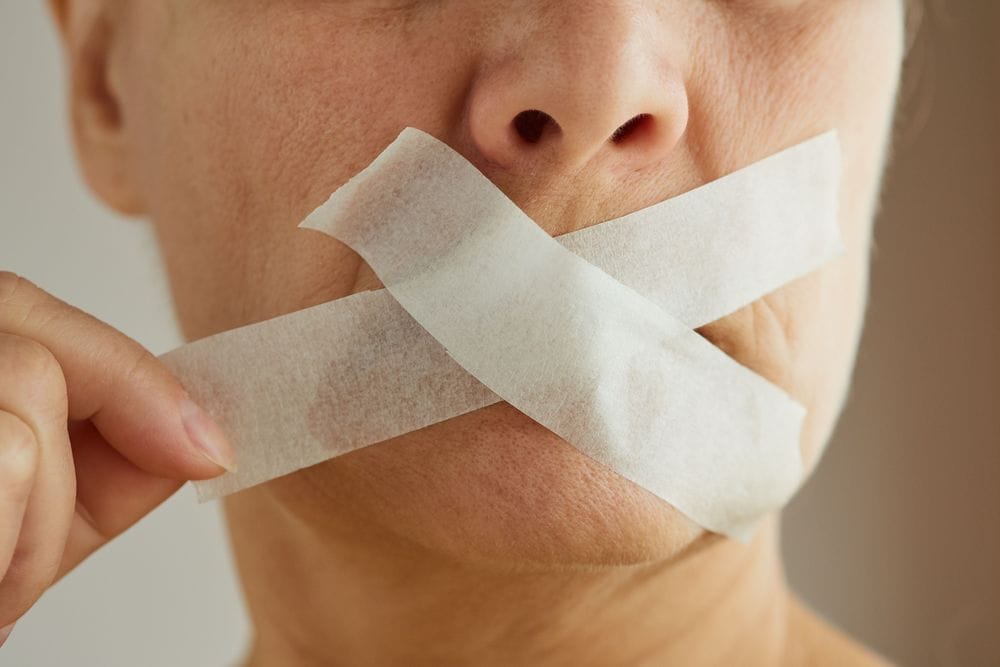
Essentially, mouth taping involves placing a small strip of tape across the lips to encourage nasal breathing. It has boomed in popularity. But while it may have some benefits – and there are; I do it myself – it’s not risk-free, especially for seniors.
In this article, I’ll explain what mouth tape is, how it works, the potential risks for older adults, and safer alternatives that can help you sleep better. Before we dive in, I’d also like to recommend that you read the article on the benefits of nasal breathing that we published on the Help and Advice earlier this year, which should give you some useful context.
What is mouth taping, and why do people do it?
As the name implies, mouth taping involves placing a small strip of medical-grade tape across your lips before bedtime. The aim is to stop your mouth opening while you sleep, which encourages you to breathe through your nose. Social media influencers claim it’s healthier than mouth breathing – but do those claims hold up?
What are the benefits of mouth taping at night?
Some people report that using mouth tape at night can help with the following:
- Reduce snoring
- Improve overall sleep quality
- Wake feeling more refreshed due to higher blood oxygen levels
- Prevent dry mouth and sore throats
- Support better oral hygiene.
While small studies suggest that nasal breathing may boost oxygenation and improve sleep quality, robust research specifically on mouth taping is limited. If snoring is your main concern, it might be more useful to explore proven strategies to stop snoring naturally before you give mouth tape a try.

Is mouth tape safe for sleeping if you’re older?
Mouth taping can pose risks for anyone – but these are more pronounced in older adults, who often face additional challenges. It’s important to take these into account if you’re considering mouth taping.
Nasal congestion, weaker muscles in the mouth and throat, or medical conditions that affect breathing could all affect your ability to breathe efficiently through your nose – so it’s important to proceed with caution.
- Difficulty breathing through the nose due to congestion or blocked airways.
- Anxiety or panic if breathing feels restricted.
- Skin irritation or allergic reaction to the adhesive.
- Potential worsening of sleep apnoea symptoms.
- Risk of choking or vomiting if unwell during sleep.
Research shows that adults over 40 are six times more likely than younger people to spend over half their sleep time using oro-nasal breathing.
Simply put, many older adults naturally switch between mouth and nose breathing while asleep. Forcing the mouth closed with tape could make breathing more difficult, rather than easier. And for older adults, even minor breathing difficulties can significantly impact sleep quality and overall health.
So, is sleeping with mouth tape safe for seniors? In general, I would advise you to exercise caution.
Additional concerns for seniors include:
- Reduced muscle tone in the mouth and throat.
- Lower oxygen reserves during sleep.
- Side effects from medications that affect breathing.
- Pre-existing conditions like asthma, COPD, or sleep apnoea.
The bottom line? Always consult your doctor before trying mouth tape.

How to mouth tape safely
If, after having had a medical consultation, you decide to try mouth tape, follow these guidelines:
- Use tape specifically designed for sleep, not household tape.
- Apply a small vertical strip rather than sealing the entire mouth.
- Stop immediately if you feel short of breath, dizzy, or anxious.
- Avoid mouth taping if you are unwell or congested.
- Practice using the tape while having a brief nap in your Oaktree Mobility rise and recline chair in the afternoon in which you focus your attention on getting used to nasal breathing while wearing the tape. Just don’t forget to set a timer for 10 to 20 minutes so that you don’t nap for too long.
How to choose the best mouth tape for sleeping
It’s important to choose tape that is specifically made for skin contact.
Look for:
- Hypoallergenic, gentle adhesive that is easy to apply and remove.
- Products made for sleep use.
- Breathable options that allow minor airflow.
Safe alternatives to mouth tape for the elderly
There are several ways to encourage better sleep and reduce snoring without the risks associated with mouth taping.
- Adjustable beds: elevating the upper body can improve airflow and reduce snoring.
- Supportive pillows: the right pillow can help align your spine and keep airways open.
- Humidifiers or nasal strips: these reduce congestion and encourage nasal breathing.
- Hydration: try to drink plenty of water throughout the day to help keep the nasal passages and throat moist, reducing the likelihood of mouth breathing due to dryness.

There are also gentle exercises you can do to naturally improve nasal breathing and oxygenation. To get started on retraining your breathing, try to become more aware of how you are breathing as you go about your day.
For example, pay attention when you are walking outdoors – are you breathing through your mouth or nose?
Try to focus on keeping your mouth closed and gently breathing through your nose without force. You shouldn’t be able to hear your breathing. Or first thing in the day, simply set a timer and spend five minutes focusing on breathing gently through your nose.
Patrick McKeown’s guidance on nasal versus mouth breathing is particularly helpful:
It might sound odd, but if you tend to talk a lot during the day, chances are you might be breathing predominantly through your mouth at night.
If I’ve been speaking a lot during the day – and especially if I’ve given an evening presentation – I make an extra effort to keep my mouth closed and guide myself back to nasal breathing before I get into bed at night. If I don’t do this, my sleep is invariably more restless and fitful.
When you take a mindful approach to breathing, the better you will feel – both when you go about your day, but most importantly, when you sleep at night.
Mouth taping FAQs
Who should avoid mouth taping?
Anyone with nasal blockages, respiratory difficulties, sleep apnoea, or chronic health conditions should avoid using mouth tape.
Is it safe to mouth tape with sleep apnoea?
No. Mouth taping can worsen symptoms of sleep apnoea by restricting airflow and reducing oxygen intake.
How to stop mouth breathing without mouth tape?
Elevating your sleeping position, using a supportive pillow or adjustable bed, and practising nasal breathing exercises can help improve airflow naturally.
How long does mouth taping take to see results?
Some report benefits within a week, but scientific evidence is limited. For older adults, the risks might outweigh the benefits.

Final thoughts: should you try mouth tape?
Mouth taping may seem like a simple fix for snoring or better sleep. And it has been found to improve sleep quality for some people. That said, it must be used with caution, particularly for older adults who are experiencing breathing difficulties at night due to underlying health problems. I recommend seeking medical advice before using this intervention.