


Travel and Things To Do
6 hobbies you can do at home from your sofa


Keeping your mind and body active is tough when your legs have other plans. If you find getting up from your sofa or chair a struggle, you’re not alone. Many people aged 65 and over sit for nine hours or more every day – which can understandably take a toll on both your physical and mental wellbeing, especially when days start to feel repetitive.
The good news: even if your movement is restricted (or you want to help someone you know with mobility issues), there are plenty of hobbies to do sitting down at home that are fun, low energy and easy to fit into everyday life.
From crafting to puzzles, you can do each of the suggestions on this list from the comfort of your chair or sofa. Many of our picks are entertaining as well as beneficial, helping to lift your mood, keep your mind sharp, and bring a little more variety to your day.

Key takeaways:
- You can enjoy stimulating, low energy hobbies without leaving your sofa or chair.
- Many chair activities for seniors support mental wellbeing, confidence, and independence.
- Creative and learning-based activities can be adapted to suit different abilities.Staying engaged at home can make everyday life feel more rewarding and balanced.
Why are hobbies important?
Hobbies help people stay both mentally and physically well. They give structure to the day, offer a sense of purpose – and they’re fun to look forward to as well, especially during extended periods of time sitting.
Having a hobby, even a simple one, can lift mood, boost confidence and help banish feelings of boredom or loneliness.
Staying engaged with activities also keeps the brain active. Older adults who try new or gently challenging hobbies are less likely to experience a decline in cognitive function, as their minds are being regularly stimulated.
And while getting out and about isn’t always possible, small amounts of movement through low energy hobbies for seniors or chair movement can still boost heart health and overall wellbeing. And these small efforts can make a meaningful difference over time.
Hobbies to do at home for adults
It’s never too late to try something new. In fact, challenge keeps the mind sharp.
Below, we’ve listed six hobbies you can do sitting down, from the comfort of your own home. Best of all, each one can be adapted to different interests and abilities.
1. Crafts or creative activities
Whether it’s knitting, painting, sketching, or building model lanes – creative activities are a lovely way for older adults to stay engaged and feel good about themselves.
Some of the benefits of crafting:
- Relaxation: It’s naturally soothing because it gives you something to focus on.
- Skill upkeep: Crafting gives the hands something to do, which keeps up dexterity and coordination.
- Flexibility: It’s adaptable, so if you have arthritis or reduced eyesight, you can still get involved.
- Structure: It gives the day a bit more structure, and you have something to focus on – whether that’s for an afternoon, or over several weeks.
Crafting also offers a real sense of accomplishment, especially when what you’ve made becomes a keepsake or thoughtful gift. A photo collage can bring together treasured family memories, while a hand-knitted or crocheted piece makes a meaningful present that’s as personal as it is practical.

2. Playing music
Putting your favourite tunes on is a great way to boost your mood and bring back happy memories. And best of all, you can do it from pretty much anywhere.
Start by creating a playlist of much-loved tracks – you can use an app like Spotify or YouTube, or simply write a list via old-fashioned pen and paper. Once you’re done with the list, start collecting tunes.
This is a fun activity in itself that has the potential to turn into a trip down memory lane. Younger family members can join in too, playing the songs and hearing the stories behind them, helping to create a living collection of stories.
For those feeling a little more ambitious, why not get hands-on and make the music yourself? Learning a musical instrument or joining a choir can be extremely rewarding – and many instruments can be played comfortably while seated.
Whether it’s returning to the cello, flute, clarinet or horn, or taking up the banjo (no judgement here), music lessons or online tutorials can lead you in the right direction and be done sitting down.
Playing an instrument also offers a great mental workout, helping to improve coordination and motor skills. And working towards a musical grade can bring a massive sense of achievement.

3. Learning languages
Even if travelling isn’t possible right now, learning a new language is a great way to stay curious and mentally challenge yourself.
Whether you want to try French or German – or really stretch your brain and tackle Chinese or Arabic – languages open the door to new cultures and experiences, all without leaving home.
Learning new words, forming sentences and meeting new people along the way all help keep the brain active and engaged. Plus, thanks to language-learning apps and virtual tutoring, it’s easier than ever to get started from the comfort of your sofa.
For those who enjoy working towards a goal, studying for a qualification like a GCSE or A-Level can also add a motivating sense of achievement. And you’ll even get a certificate to show off at the end of it!

4. Tracing family history
With so many historical archives and censuses now available online, it’s easier than ever to explore your family history, piecing together family stories and uncovering new details about your own roots. You can do it all sitting down at home, and it’s a wonderfully rewarding way to keep your mind active.
From the comfort of your sofa or chair, you can look through old photographs, letters and family documents, sparking memories and conversations along the way. Involving children and grandchildren can turn it into a shared project that brings generations together, helping younger family members understand more about where they come from and the stories that shape them.

5. Learning computer skills
Digital devices can feel daunting at first, especially if you haven’t used them much before. But building confidence and learning a few key skills – like browsing the internet or using email and social media – can make everyday life easier and more empowering.
Devices open the door to simple pleasures like rediscovering old music, films, or reading – with books now available on tablets or Kindles in adjustable, large-font formats that are kinder on the eyes. This means you can curl up comfortably with a good book in your chair and take care of everyday admin tasks – many of which are now done online – independently and with confidence.
Age UK offers a great computer literacy resource for absolute beginners, as well as a tool for finding classes in your local area. Gaining confidence can also bring peace of mind to family members, knowing their loved ones are more confident online and less likely to fall victim to scams or malware.

6. Chair-based movement
You don’t have to sit still just because you’re sitting. Last but not least (in fact, it’s arguably the most important) is chair exercise.
Gentle movement can make a real difference to how your body feels, even when it’s done from a chair or sofa. In fact, there are hundreds of chair-based workouts on YouTube alone that are designed to be low impact and easy to adapt – which makes them ideal for people with limited mobility.
Chair yoga and seated stretches are a great place to start. These gentle movements help to improve flexibility and circulation while easing stiffness and tension. Even a short session can boost your mood and add a sense of routine to the day.
The key is to avoid long periods of sitting still. In fact, sitting for too long is a risk to your health – studies have linked a sedentary lifestyle with type 2 diabetes, some types of cancer, and early death.
By building small moments of movement into your day – whether it’s a stretch during an ad break or a short chair yoga routine in the morning – you can keep your body engaged while still staying comfortable and supported at home.
Improving accessibility for older adults
It’s easier to enjoy hobbies sitting down if your chair setup is built for comfort and safety. From making everyday tasks easier, to improving how you relax and rest, the right mobility aids can help older adults stay active at home.
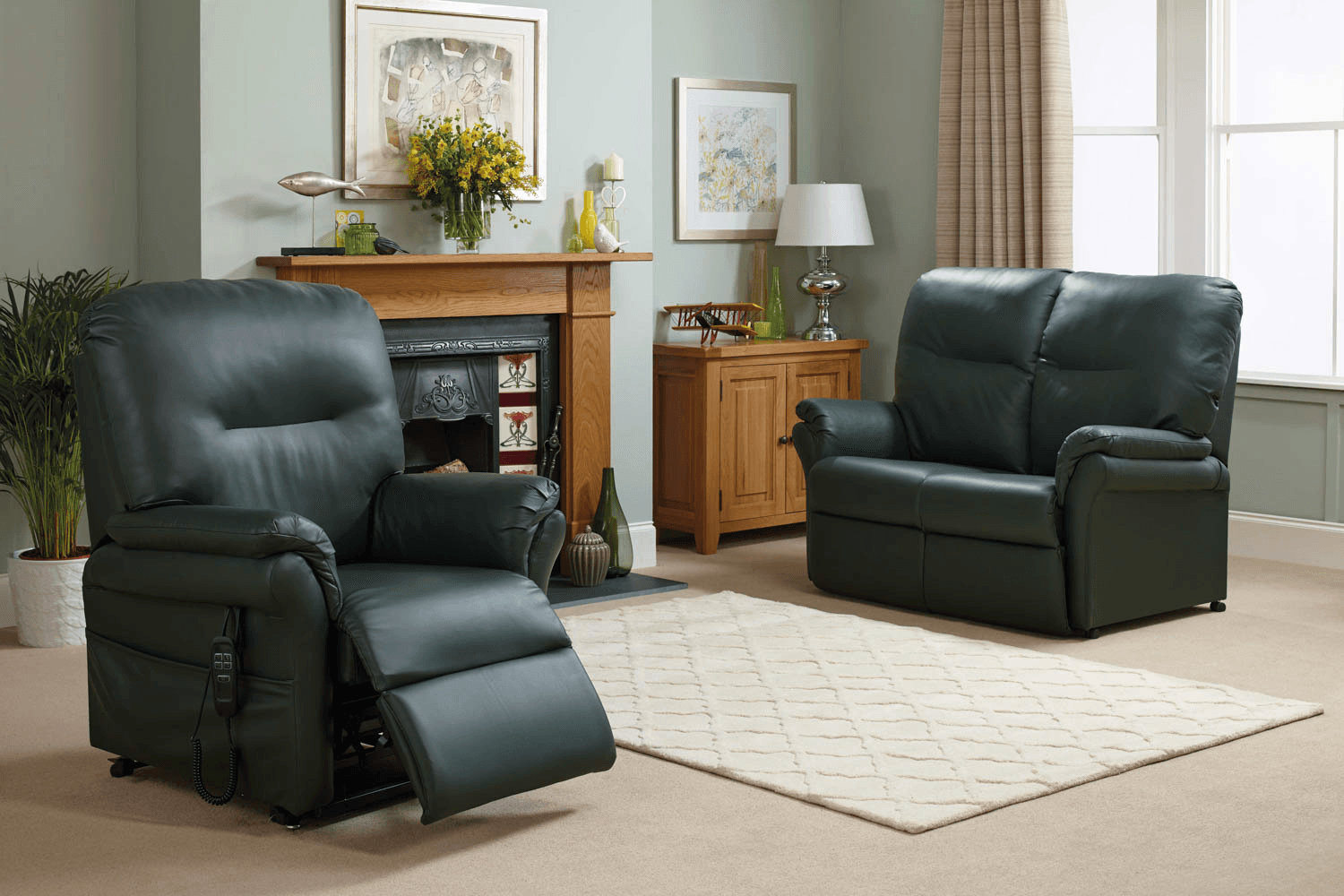
This is where we can help. Oak Tree Mobility helps older people get more out of life – whether it’s a rise and recline chair that helps them stand without strain, an adjustable bed for more restorative sleep, or a bath lift that offers extra reassurance, our expert team can help you find the right solution.
If you’re looking to make everyday life at home more comfortable and accessible, just get in touch. One of our friendly team will be on hand to offer clear, personalised advice.
Call 0808 304 1895 to find out more.
You may also like these reads
FAQs – Chair activities for seniors
- What are some more mood-boosting hobbies you can do without leaving your sofa?
Small, absorbing activities can give your mood a real boost. Whether you’re listening to music, reading fiction, doing puzzles, knitting, journalling, baking, or even tending a few houseplants all give the brain something purposeful to focus on. These kinds of low-effort, ‘flow state’ activities are also a great way to cut rumination – the repetitive negative thinking that often underlies low mood.
- Which creative hobbies help with depression?
Drawing, writing, photography, playing an instrument or simple crafts like collage and pottery give people a way to process feelings without having to explain them in words, and that’s something we can all benefit from. Studies suggest they lower stress hormones too.
- How to find a hobby as an adult?
Rather than searching for a single passion, let your curiosity lead. There’s really no right or wrong way to go about this (so long as it’s safe and healthy!). Trying short courses, borrowing books from the library, digging deep into a topic that interests you, or spending a few weeks experimenting with something new lets you notice what holds your attention. A hobby doesn’t have to be impressive, or interest anyone else – if it keeps you engaged, it counts.
- What are some inexpensive home hobbies?
Hobbies don’t need to involve the most expensive kit or memberships. In fact, many of the best activities are totally free. Walking, stretching or yoga using free videos, cooking new recipes, creative writing, sketching, learning a language through apps, or tending a windowsill garden all call for minimal equipment. What matters most is whether the activity gives you a sense of progress and pleasure.
- What is the best chair for someone with Parkinson's?
Comfort and support become especially important with Parkinson’s. Look for chairs that are supportive rather than just soft, with a high back, armrests, and a seat height that allows the feet to rest flat on the floor. Rise and recline chairs are especially good because they make it easier to sit and stand safely.
- How to find a hobby after 50?
Later life can be an ideal time to rediscover interests that you set aside during busier years. Whether it’s learning a musical instrument, joining a reading group, gardening, or taking up gentle exercise, hobbies that blend mental engagement with social and physical activity are particularly valuable. Trying something completely new? Enjoy the ‘you can’t fail’ mentality of a beginner – what do you have to lose?
Further reading & references
- Solo Activities to Help With Depression – Advanced Psychiatry Associates
- How to help someone with mobility issues