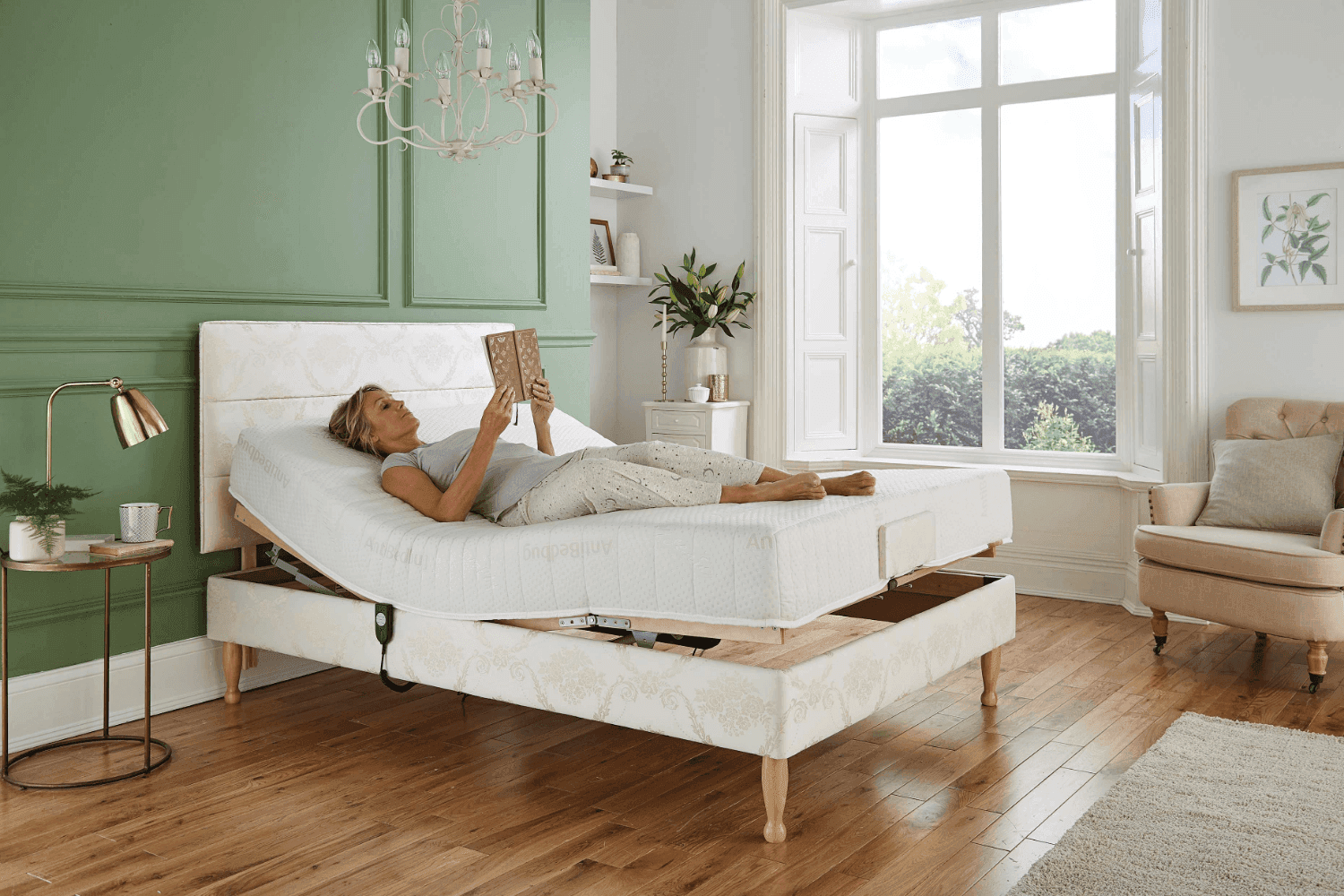



Adjustable Bed Advice
How often should you replace your mattress?


Key takeaways :
- Replace your mattress every 6-8 years for the best comfort and support.
- If you’re using an adjustable bed, it’s important to replace your mattress every 8 years.
- 87.7% of people in the UK say the quality of a mattress has a direct impact on their sleep quality (Mintel, 2023)
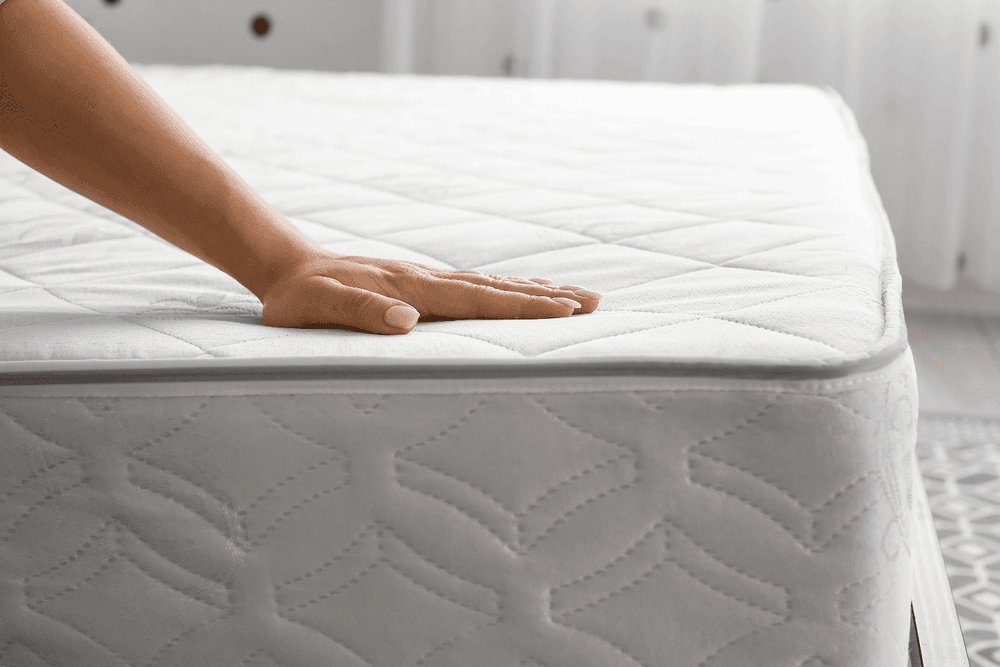
How often should I replace my mattress?
In the UK, 68% of consumers agree that mattresses should be replaced at least every eight years. (Mintel, 2023)
Experts recommend that mattresses should be changed every six to eight years, although it depends on the construction and materials. Taking extra care steps such as using a mattress protector and rotating your mattress regularly can help extend its lifespan.
Even the highest quality mattresses can lose their effectiveness and begin to affect sleep quality over time. That’s why it’s important to get a new mattress if you start to experience discomfort at night.
| Mattress Type | Average Lifespan | When to Replace | Common Signs You Need a New One |
| Memory Foam | 8–10 years | When foam feels soft, lumpy, or uneven | Sagging or body impressions, Aches and pains after sleep, Loss of support or firmness |
| Spring / Pocket Sprung | 7–8 years | When springs start to creak or lose tension | Noticeable dips or uneven surface, Reduced bounce or comfort, Noisy or squeaky springs |
| Hybrid | 8 years | When comfort layers break down or springs weaken | Lumpy or uneven feel, Pain in back, hips or shoulders, You sleep better elsewhere |
| Latex | 10–12 years | When latex becomes less responsive or firm | Sagging or soft spots, Reduced pressure relief, Allergies or odours from wear |
| Orthopaedic / Specialist Mattress | 8–10 years | When support no longer aligns spine properly | Waking with stiffness, Poor posture or pressure points, Visible wear or indentation |
| Adjustable Bed Mattress | 8 years | When it no longer flexes smoothly or loses support | Discomfort when reclining, Foam or springs break down with movement, Uneven surface or sagging |
Adjustable bed mattress replacement
If you’re using an adjustable bed, it’s important to replace your mattress every eight years to get the best comfort and support possible. While an adjustable bed can provide additional comfort and flexibility in terms of adjusting the position of your bed, the mattress itself plays a vital role in ensuring a comfortable and supportive sleep surface.
How often to replace a memory foam mattress?
A good-quality memory foam mattress usually lasts 8 to 10 years (sometimes longer!), depending on how often it’s used and how well it’s cared for.
How often to replace a spring mattress?
Traditional spring or pocket-sprung mattresses typically need replacing every 7 to 8 years. Springs can lose tension over time, leading to dips and reduced comfort.
How often to replace a hybrid mattress?
Hybrid mattresses, which combine springs with layers of foam or latex, usually last around 8 years. Because they use multiple materials, wear and tear can vary.
How to know when to replace a mattress?
There are some tell-tale signs that indicate it’s time to replace your mattress. Watch out for:
- Waking up at night from discomfort
- Experiencing aches and pains in the morning
- Unevenness, lumps, sagging or dips
- Signs of wear such as stains, rips, tears or springs appearing through the surface
- Worsening allergies or asthma due to the build up of allergens such as dust mites
- Overheating in bed indicates your mattress materials are breaking down, making temperature regulation difficult
- An unpleasant smell
- Noisy, creaky springs
If you start to experience any of these issues and your mattress is more than five years old, you should consider replacing it. If your weight has changed significantly or you have different support needs, it might also be time to look for a more suitable mattress.

Why replacing your mattress is important
Sleep is incredibly important, especially as we get older. Our expert, Dr Nerina Ramlakhan, is clear on the negative effects of poor sleep on memory, mood and immune response. Overlooking the tell-tale signs of a mattress past its prime can lead to discomfort and sleeplessness, with serious consequences for our long term health.
Better comfort and support
Over a period of time, mattresses tend to lose their firmness and original shape. You may find that your mattress is either causing discomfort or has started to sag or become lumpy. This could be a sign that it’s time for a replacement as a worn-out mattress will gradually affect your quality of sleep and lead to aches and pains.
Relief from allergies
Dust mites, allergens and bodily fluids can accumulate over time on your mattress. If you’re experiencing a flare up in your allergy symptoms, it may be time to replace your mattress for better hygiene and a healthier sleep environment.
Improved sleep quality for health and well-being
A new mattress with the right level of comfort and support can enhance sleep quality and overall well-being. If you’re constantly waking up feeling restless, tired and are experiencing difficulty falling asleep, this is a sign that your mattress is no longer serving its purpose.
Proper spinal alignment = no more back pain!
A mattress that no longer provides adequate support can cause poor spinal alignment, leading to back, neck and joint pain. Replacing your mattress with one that matches your body’s needs can help ease any issues and improve your spinal alignment
How to extend the life of your mattress
Taking good care of your mattress and using preventive measures can help extend its lifespan and save you money in the long run. Here are our actionable tips on how to extend the life of your mattress:
Use a mattress protector
A mattress protector is more affordable to replace than an entire mattress. Consider buying a high-quality protector to protect your mattress against any stains, spills, dust mites and allergens. A mattress protector acts like a barrier, preventing any substances from seeping into the layers and causing damage to your mattress.
Add a mattress topper
A mattress topper adds an extra layer of cushioning comfort and protection to your mattress, minimising any wear and tear whilst providing additional support and extending the life of your mattress.
Regularly rotate and flip
To prevent sagging and indentations in specific areas, it’s important to regularly rotate and flip your mattress. Always check the manufacturer’s instructions as different mattresses have different requirements for flipping.
Keep it clean
Vacuuming your mattress every month or so will remove any dust, dirt and allergens that can accumulate over time. Here’s how often to clean your mattress.
Follow the guidelines
Following the manufacturers guidelines helps prolong the life of your mattress by ensuring you don’t do anything to accidentally damage it.
Choosing the right mattress for your adjustable bed
Adjustable beds allow you to change the position of your head and feet and can improve circulation, reduce pressure on certain body parts and support you with activities like reading or watching TV in bed. The right mattress for your adjustable bed can improve mobility, support and comfort - helping you get a perfect night’s sleep, night after night.
Your mattress should ensure proper support and flexibility to accommodate your movements throughout the night. This will allow you to enjoy the full benefits of your adjustable bed, whilst also helping your overall well-being and sleep.
Our Mammoth medical grade memory foam mattress has been shown to help people fall asleep 29% quicker! Call us for free to learn more about this mattress or to find out what types of mattresses are suitable for your adjustable bed.
Frequently Asked Questions about mattress lifespan
Should I replace my 20 year old mattress?
Most likely, yes. After 20 years, it’s likely that your mattress has surpassed its expected lifespan.
What reduces mattress lifespan?
The type and quality of materials make a big difference. Higher-density foams and durable coils tend to last longer than cheaper alternatives. Your body weight and how often the mattress is used also play a role - a mattress in daily use will naturally wear out faster than one in a guest room.
Maintenance matters too. Regularly rotating your mattress, using a protective cover and keeping it clean can help extend its life. Finally, environmental factors like humidity or poor ventilation can cause materials to break down sooner.
Do I need a new mattress if my back hurts?
Not always, but persistent back pain can be a sign your mattress is no longer supporting you properly. If your mattress is over 7–10 years old, sagging or uneven, replacing it can relieve pressure points and improve sleep quality.
Should you get a softer mattress as you get older?
Not necessarily. The key is balance - a mattress should be firm enough to support your spine, but soft enough to cushion pressure points like hips and shoulders. Medium-firm mattresses are often best for older adults.
What is the most comfortable mattress for older people?
Comfort depends on your body, health and sleep position, but memory foam, latex and hybrid mattresses tend to be popular with older sleepers. They provide pressure relief, support, and can reduce aches in joints and the back.
What’s the best replacement mattress for electric beds?
Look for an adjustable bed mattress that is flexible and designed to bend without damaging the material. Medical grade memory foam or specially designed hybrid mattresses work well, ensuring smooth movement and consistent support.
Further Reading
- Bedroom Shopping Behaviours, Mintel, 2023
- The difference between pocket sprung vs memory foam mattresses
- The best mattress for you